
Main Courses
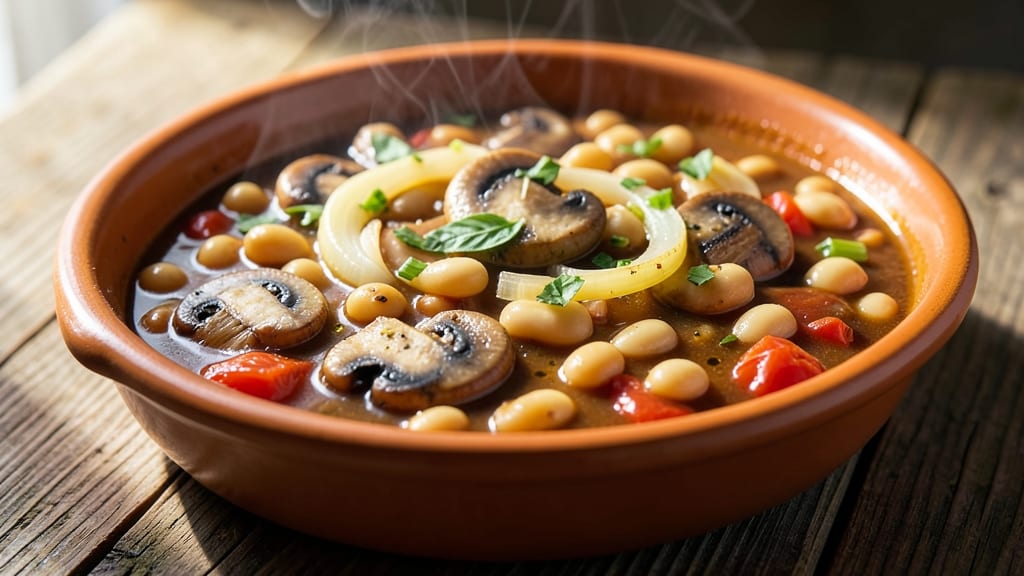
This bean ragu recipe transforms simple ingredients into a rich, slow-simmered masterpiece that rivals traditional meat-based ragù. The secret lies in umami-packed mushrooms, caramelized onions, and tender beans that soak up all the savory flavors during the 4-hour simmer.
Perfect for vegetarian meals but flexible enough for vegan adaptations, this dish delivers restaurant-quality depth with minimal effort.
The beauty of this recipe is its foolproof technique—no fancy skills required, just patience and a few key ingredients. We start with a sofrito base of onions, garlic, and celery that builds flavor before adding dried beans, tomatoes, and aromatic herbs.
The slow cooking process ensures the beans become fork-tender while developing complex, caramelized notes that make every bite satisfying.
What you'll end up with is a velvety, deeply flavorful ragu that pairs beautifully with polenta, crusty bread, or even over pasta. The texture is perfect—creamy from the beans and tomatoes, with just enough body to coat each bite.
This isn't just a vegetarian dish; it's a bold, comforting centerpiece that proves plant-based meals can be just as rich and satisfying as traditional ragù.
Whether you're feeding a family or meal prepping for the week, this recipe scales effortlessly. The flavors only improve with time, making it ideal for slow-cooker enthusiasts or anyone who appreciates dishes that taste better the next day. Let's get cooking!
Ingredients for bean ragu
Pantry staples meet umami magic—transforming simple ingredients into a deeply satisfying bean ragu.
| Ingredient | Amount | Notes |
|---|---|---|
| Dried Cannellini Beans 🌱 | 1 ½ cups | Unsoaked, rinsed thoroughly |
| Creamy Mushrooms 🍄 | 8 oz | White or cremini, sliced |
| Yellow Onions 🧅 | 1 whole | Diced, about 2 cups |
| Celery Stalks 🥬 | 2 whole | Diced, about 1 cup |
| Garlic Cloves 🧄 | 4 cloves | Minced, for sofrito base |
| Canned San Marzano Tomatoes 🍅 | 2 cups | Crushed, high-quality |
| Tomato Paste 🍅 | 2 tbsp | Smooth, for depth |
| Extra-Virgin Olive Oil 🫒 | ½ cup | For sautéing, fruity |
| Vegetable Broth 💧 | 2 cups | Low-sodium preferred |
| Dried Thyme 🌿 | 1 tsp | Or 1 tbsp fresh |
| Dried Rosemary 🌿 | ½ tsp | Crushed, for aroma |
| Bay Leaves 🌿 | 2 whole | For subtle earthiness |
| Red Wine 🍷 | ½ cup | Dry, like Chianti |
| Balsamic Vinegar 🍶 | 1 tbsp | For acidity balance |
| Sea Salt 🧂 | 1 ½ tsp | Diamond Crystal preferred |
| Freshly Ground Black Pepper 🌶️ | ½ tsp | For finishing |
The mushrooms are non-negotiable—they deliver that meaty umami without any animal products. Cremini or white mushrooms work best, sliced thinly for even cooking. If you're at Whole Foods or a specialty market, grab the shiitake mushrooms for an even deeper flavor, but regular cremini will get you there too. The beans should be cannellini for creaminess, but kidney beans or borlotti add texture if you prefer. For the onions and celery, the sofrito base is where the magic starts—caramelize them slowly until deeply golden. This takes time, but it's worth it for that rich, sweet foundation.
No red wine? Substitute with extra vegetable broth—just reduce it by half first to concentrate the flavor. Fresh herbs are ideal, but dried thyme and rosemary at half the amount work in a pinch. The tomato paste can be swapped for tomato sauce if you're in a hurry, though the paste gives more depth. For the beans, if you're short on time, use pre-cooked canned beans instead of dried—just adjust the broth accordingly. The balsamic vinegar might seem small, but it brightens the ragu and balances the richness. If you're making this vegan, simply omit the Parmesan and add a splash of nutritional yeast for a cheesy note.
This ragu tastes even better the next day—plan ahead. Store in an airtight container in the fridge for up to 5 days, or freeze portions for 3 months. The flavors meld beautifully over time, so don't rush it. For serving, keep it simple: creamy polenta, crusty bread, or al dente pasta all pair perfectly. If you're meal prepping, portion into containers with a little pasta on top—it reheats like a dream. The mushrooms will soften further, so they practically melt into the beans, creating that restaurant-quality texture you crave.
Why You'll Love This Recipe
- Dried Beans, No Soak: I swear by this shortcut—just toss the cannellini beans in a pot with water, a pinch of salt, and let them simmer while I chop the onions and celery. No overnight soaking, no fuss, and they still turn out tender and rich.
- Umami Bomb: That combo of creamy mushrooms and garlic? It’s where this ragu gets its magic. The mushrooms melt into the sauce, while the garlic roasts just enough to add a deep, toasty edge—like a hug for your taste buds.
- Weeknight to Potluck: Make a big batch on Sunday and have leftovers for days, or bring it to a gathering—it’s hearty enough for a main but light enough for a side. My roommate’s vegetarian friends actually beg for seconds, and that’s saying something.
- Pantry Powerhouse: Between us, this recipe costs me about $3 for four servings. Cannellini beans are cheap, onions and celery last forever, and mushrooms stretch further than you’d think. Budget-friendly doesn’t mean boring—this is proof.
Step-by-step instructions for slow-simmered bean ragu
Master this technique and you'll transform simple ingredients into a rich, umami-packed ragu with melt-in-your-mouth beans.
🍳 Step 1: Sauté the Sofrito Base
Heat the 0.5 cup extra-virgin olive oil in a heavy Dutch oven over medium heat. Add the diced 1 whole yellow onion and diced 2 whole celery stalks, cooking for 8-10 minutes until softened and translucent. The vegetables should release their moisture and begin to caramelize slightly at the edges.
Add the minced 4 cloves garlic cloves and cook for 30 seconds until fragrant—don't let them brown, or they'll turn bitter. This aromatic base forms the flavor foundation for the entire dish. I press the garlic into the vegetables with a wooden spoon to release all their oils, ensuring maximum flavor extraction.
🍳 Step 2: Develop the Tomato-Wine Reduction
Stir in the 2 tbsp tomato paste and cook for 1 minute until it darkens slightly. Pour in the 0.5 cup red wine and scrape up any browned bits from the bottom of the pot—this technique, called deglazing, captures concentrated flavor. Let the wine simmer for 3-4 minutes until reduced by half.
Add the crushed 2 cups canned San Marzano tomatoes and stir well. Bring to a gentle simmer and cook uncovered for 10 minutes to allow the tomatoes to break down and develop depth. The sauce should reduce slightly and become glossy, intensifying its sweet-tart flavor profile.
🍳 Step 3: Build the Umami Layers
Add the sliced 8 oz creamy mushrooms, 1 tsp dried thyme, 0.5 tsp dried rosemary, 2 whole bay leaves, 1 tbsp balsamic vinegar, 1.5 tsp sea salt, and 0.5 tsp freshly ground black pepper. Stir well to combine and cook for 8-10 minutes until the mushrooms release their moisture and begin to soften.
Pour in the 2 cups vegetable broth and bring to a gentle simmer. The liquid should just barely bubble at the edges—this slow simmer is crucial for developing the ragu's deep flavor. Add the rinsed 1.5 cups dried cannellini beans and stir gently to coat them in the flavorful liquid.
⏰ Step 4: Simmer Until Tender and Rich
Reduce heat to low and cover partially with a lid. Let the ragu simmer gently for 1.5 to 2 hours, stirring occasionally. The beans should become fork-tender with a creamy texture, and the sauce should thicken noticeably as it reduces. Check periodically and add 1-2 tablespoons of water if the sauce becomes too thick.
This long simmering time is essential—it allows the beans to absorb all the surrounding flavors while breaking down into a silky, velvety texture. The ragu should have a rich, complex aroma with notes of mushrooms, tomatoes, and herbs. When the beans are tender but still hold their shape, remove the bay leaves and adjust seasoning if needed.
🍽️ Step 5: Finish and Serve
For a refined finish, transfer the ragu to a blender or use an immersion blender to partially purée it—this creates a silky texture while maintaining some rustic texture. Return the puréed ragu to the pot and simmer for 5 more minutes to let the flavors meld completely.
Serve the bean ragu over al dente pasta, topped with additional freshly ground black pepper and a drizzle of extra-virgin olive oil. Each spoonful should deliver a perfect balance of tender beans, rich umami flavors, and vibrant acidity from the tomatoes and balsamic vinegar. The ragu should coat the back of a spoon with a velvety consistency, clinging to every strand of pasta.
Pro Tips For Making Bean Ragu
- SOAK BEANS OVERNIGHT: I learned this the hard way—skipping the soak leaves your Cannellini beans tough no matter how long you simmer. Toss them in cold water with a splash of vinegar (yes, even if you're impatient like me) and let them sit 12+ hours. They’ll cook faster and hold their shape better, which matters when you’re blending them into that creamy ragu.
- SWEAT ONIONS LOW: After burning three batches of onions, I finally figured out: low and slow is the only way. Start with a heavy pot, medium-low heat, and don’t rush the sweat—you’re building flavor, not searing. If they’re browning too fast, pull back the heat and add a splash of water. Golden onions make a real difference in this dish.
- SAVE THE MUSHROOM WATER: Does it look weird? Yes. Does it work? Every single time. When sautéing your creamy mushrooms, add just enough liquid to deglaze the pan—then strain the liquid through a fine sieve. Stir a tablespoon back into the ragu later; it’s packed with umami and thickens the sauce naturally.
- BLOOM GARLIC IN OIL: Skip the raw garlic toss—it burns before it cooks. Heat 1 tablespoon olive oil until shimmering, then add minced garlic and let it sizzle for 30 seconds until fragrant but not brown. This step guarantees the garlic’s flavor infuses the onions and celery without bitterness. (Your future self will thank you.)
Perfect pairings for this recipe
Polenta Perfection
Creamy polenta is the ultimate partner for this bean ragu, soaking up every rich, umami-packed spoonful while adding a comforting texture. Cook 1 cup polenta in 4 cups simmering vegetable broth with a pinch of sea salt over medium-low heat for 20-25 minutes, stirring constantly.
For extra decadence, stir in 2 tablespoons butter and ¼ cup grated Parmesan at the end. Serve the ragu directly over the polenta for a hearty, one-bowl meal. 🌟
Crusty Bread Matters
A garlic-infused baguette or sourdough loaf elevates this dish to new heights. Toast thick slices until golden and crisp, then rub with a cut garlic clove and a drizzle of extra-virgin olive oil.
The bread's crunch contrasts beautifully with the ragu's velvety texture, making it perfect for mopping up every last bite. I love using Whole Foods' sourdough for its tangy depth. 🥖
Pasta Pairings
For a classic Italian touch, serve the ragu over al dente pappardelle or fettuccine, which hold up well to the thick sauce. Cook 8 oz pasta until 1 minute before al dente, then toss with the ragu to prevent mushiness.
A sprinkle of fresh parsley and Pecorino Romano adds brightness. For extra indulgence, add a splash of pasta water to loosen the sauce slightly. 🍝
Wine Pairings
A Chianti Classico or Barbera complements the ragu's acidity and earthy notes beautifully. The medium-bodied reds cut through the richness while enhancing the mushrooms' umami. For white wine lovers, a dry Vermentino offers crisp contrast.
Avoid heavy, oaked wines—they'll overpower the dish. I always keep a bottle of La Spinetta Barbera d'Asti on hand for this recipe. 🍷
Unexpected Twists
For a modern twist, serve the ragu over mashed potatoes or wild rice for a cozy, hearty meal. Add a dollop of crème fraîche or vegan sour cream for creaminess.
For a smoky kick, top with crispy pancetta (or smoked tofu for vegan) and a sprinkle of chili flakes. The possibilities are endless—let your taste buds guide you! 💡
Nutrition facts
Frequently asked questions
Can I use canned beans instead of dried for this recipe?
Yes! For convenience, swap the 1.5 cups dried cannellini beans with 2.5 cups canned beans, drained and rinsed. Reduce the vegetable broth by 1 cup since canned beans contain more moisture. The texture will be slightly creamier but just as flavorful. Just be sure to add the beans after the mushrooms have softened to avoid a watery ragu.
How do I make this vegan?
This recipe is already vegan-friendly! Simply omit any animal products—skip the Parmesan and use nutritional yeast for a cheesy flavor instead. The mushrooms and tomatoes provide all the umami depth needed. For extra richness, stir in 2 tablespoons vegan butter at the end or serve with cashew cream on top.
What if my ragu is too thick after simmering?
Add 2-3 tablespoons of water or vegetable broth, one spoonful at a time, while stirring gently. Let it simmer for 5 minutes to adjust the consistency. If it's still too thick, blend half the ragu until smooth, then mix it back in—this creates a silky texture while maintaining body. The sauce should coat the back of a spoon but still be spoonable.
Can I make this in a slow cooker?
Follow the same steps up to Step 3, then transfer everything to a 6-quart slow cooker. Cook on low for 6-7 hours or high for 4-5 hours, stirring occasionally. The longer cooking time enhances the flavors even more. For a thicker texture, reduce the broth by ½ cup at the start since slow cookers evaporate less liquid.
Why do my beans taste bland?
Bland beans usually mean the flavors weren't concentrated enough. Boost umami by adding 1 teaspoon soy sauce or miso paste during the final 10 minutes of cooking. Also, ensure you're using high-quality tomatoes and mushrooms—they're the flavor powerhouses. For extra depth, stir in 1 teaspoon tomato paste at the end or finish with a splash of balsamic vinegar.