
Main Courses
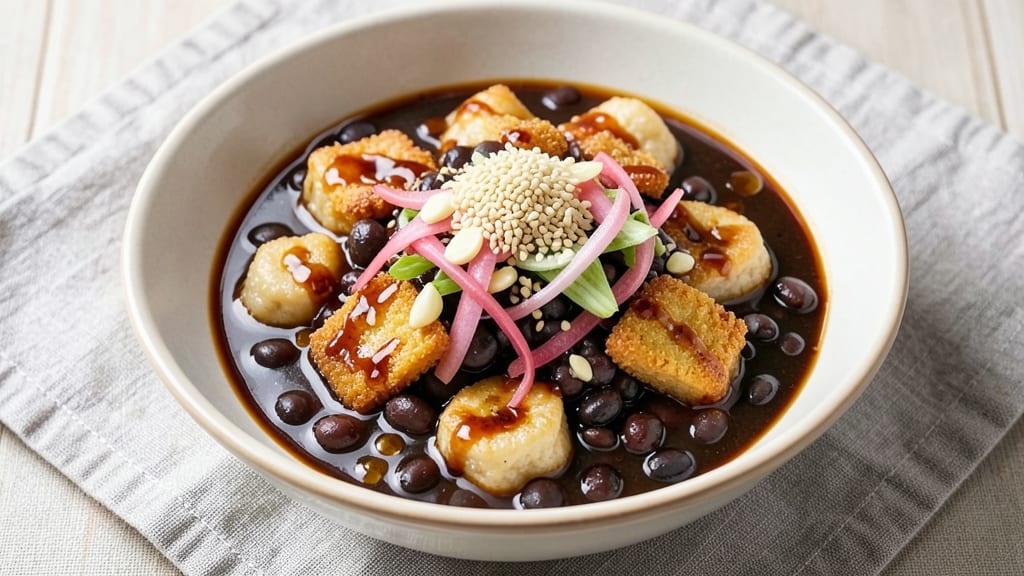
This vegetarian black bean tteokbokki recipe transforms simple rice cakes and black beans into a restaurant-worthy dish with layers of spicy, sweet, and umami flavors.
The secret lies in marinating the rice cakes in a gochujang-based sauce—where fermented chili paste meets garlic, soy sauce, and a touch of sugar—to create a sticky, caramelized glaze that clings to every bite.
Unlike traditional versions, this recipe swaps meat for protein-rich black beans, delivering the same hearty texture and earthy depth while keeping it fully plant-based.
The magic happens in the sauce, where gochujang simmers with garlic, ginger, and a splash of rice vinegar to balance the heat. Black beans cook until tender but still hold their shape, absorbing the sauce’s bold flavors while adding a satisfying chew.
Rice cakes soak up the marinade, becoming plump and slightly crisp at the edges—just like your favorite Korean street food stall. The result? A dish that’s equally comforting and exciting, with every spoonful packed with fermented funk and smoky warmth.
This recipe delivers restaurant-quality tteokbokki in under 45 minutes, with minimal prep and one-pot cooking. Garnish with toasted sesame seeds and sliced green onions for texture and freshness, then serve with steamed rice to soak up every last drop of that addictive sauce.
The contrast of tender rice cakes, hearty black beans, and glossy sauce makes this dish impossible to resist—perfect for weeknight dinners or impressing guests.
For extra depth, add a drizzle of sesame oil or a sprinkle of crushed peanuts for crunch. The sauce keeps well in the fridge for up to a week, so double the batch for leftovers.
Whether you’re a tteokbokki newbie or a seasoned fan, this vegetarian version proves you don’t need meat to create a dish this bold and satisfying.
Ingredients for black bean tteokbokki
Gochujang, black beans, and rice cakes—these core ingredients create bold, restaurant-style tteokbokki.
| Ingredient | Amount | Notes |
|---|---|---|
| Rice Cakes (Tteokbokki) 🍚 | 1 lb | Korean-style, round shape |
| Black Beans 🌱 | 1 ½ cups | Dried, soaked overnight |
| Gochujang Paste 🌶️ | ½ cup | Korean fermented chili |
| Soy Sauce 🥫 | ¼ cup | Light or regular |
| Garlic Cloves 🧄 | 6 cloves | Minced, fresh preferred |
| Fresh Ginger 🌿 | 1 tbsp | Grated, peeled |
| Rice Vinegar 🍶 | 2 tbsp | White or seasoned |
| Sugar 🍯 | 2 tbsp | White or brown |
| Vegetable Oil 🫒 | 2 tbsp | For frying rice cakes |
| Sesame Seeds 🥜 | 1 tbsp | Toasted, for garnish |
| Green Onions 🧅 | 3 whole | Sliced, for garnish |
| Sesame Oil 🫒 | 1 tsp | For finishing drizzle |
| Water 💧 | 3 cups | For cooking beans |
| Salt 🧂 | 1 tsp | Kosher or sea salt |
Gochujang is the soul of this dish. Maesil Gochujang or Dobae Gochujang from Korean markets have the best fermented depth, but any quality brand works. Look for a smooth paste with no clumps—if it's grainy, strain it before using. Fresh garlic and ginger are non-negotiable here; pre-minced jarred versions lack the punch. The black beans need soaking overnight (or use canned, drained) for that perfect chewy texture. I always grab dried black beans from Trader Joe's—they're consistent and affordable. For the rice cakes, Korean-style tteokbokki from the Asian aisle are ideal, but Japanese mochi rice cakes work in a pinch if you can't find them.
No gochujang? Substitute 2 tbsp sriracha plus 1 tbsp tomato paste—it won't be identical, but it'll add heat. Running low on sesame seeds? Toasted peanuts or slivered almonds give a similar crunch. The rice vinegar balances the heat; if you only have apple cider vinegar, use half the amount. For extra umami, add 1 tbsp soy sauce to the sauce or a dash of fish sauce (if not keeping it vegetarian). The sugar caramelizes the sauce—don't skip it, even if you're watching sweets. For a smokier flavor, add a pinch of smoked paprika to the sauce while it simmers.
This sauce keeps for 5-7 days in the fridge, so make extra. The rice cakes reheat beautifully—toss them in a little sauce and warm in a pan for 2-3 minutes. Store leftovers in an airtight container with a thin layer of oil on top to prevent sticking. The beans and sauce can be prepped ahead and refrigerated for 3 days before assembling. For a quick weeknight meal, double the sauce and freeze half—just thaw and reheat when needed. Garnishes like sesame seeds and green onions stay fresh for 3-4 days in the fridge, so add them right before serving.
Why You'll Love This Recipe
- No-Fuss Weeknight Win: I’ll swear this comes together while you’re still deciding what to eat. Just toss the rice cakes, black beans, and gochujang in one pot—no fancy steps, no stress. The black beans add a meaty texture without the work, and the garlic soaks into everything in minutes.
- Umami Bomb Combo: That gochujang-soy sauce marriage is chef’s kiss—deep, smoky, and just spicy enough to linger. The black beans soak up the sauce like a sponge, turning each chewy rice cake into a flavor bomb. Honestly, I’ve made tteokbokki before, but this version actually sticks with me until lunch the next day.
- Pot Luck Hero: Bring this to a gathering and watch it disappear. It’s hearty enough for a main but casual enough for a side—pair it with fried eggs for breakfast, serve it cold in bowls for a picnic, or let it sit in the fridge for a quick lunch. My roommates still ask for seconds after three helpings.
- Budget Meal Magic: Black beans and rice cakes are dirt cheap, and a little gochujang goes a long way. I’ve made this for under $5 per serving, and it’s way more satisfying than takeout. Plus, leftovers reheat like a dream—just add a splash of water and stir. My wallet and taste buds thank me every time.
Step-by-step instructions for spicy fermented rice cakes
Here's how to make this bold, umami-packed dish with chewy rice cakes and rich black bean broth.
Prepare the Black Bean Broth
In a large pot, combine the 1.5 cups black beans, 3 cups water, and 1 tsp salt. Bring to a boil over medium-high heat, then reduce to a simmer for 45-60 minutes until beans are fork-tender. The broth should thicken slightly and develop deep, earthy flavor.
Once tender, drain most of the liquid (about 2 cups) but reserve 1 cup for the sauce. Mash the beans slightly with a wooden spoon to create a chunky texture. This base will carry all the complex flavors we're building.
Build the Spicy Sauce
In a separate bowl, whisk together the 0.5 cup gochujang paste, 0.25 cup soy sauce, 2 tbsp rice vinegar, 2 tbsp sugar, and 1 tbsp sesame oil. Then add the mashed black beans and mix until smooth. The sauce should be thick, glossy, and deeply aromatic with fermented heat.
This is where the magic happens - the gochujang brings that signature Korean spice while the soy sauce and vinegar create umami balance. Taste and adjust seasoning if needed, adding a splash more vinegar for brightness or sugar for sweetness.
Cook the Rice Cakes
Heat 2 tbsp vegetable oil in a large skillet over medium-high heat. Add the 1 lb rice cakes in batches, stirring constantly for 2-3 minutes until they turn a golden brown color. The oil should shimmer but not smoke - if it does, reduce the heat slightly.
Don't overcrowd the pan or the rice cakes will steam instead of crisp. You want them to develop a light golden crust while remaining slightly chewy inside. Set aside once cooked.
Combine and Simmer
Return the cooked rice cakes to the skillet with the black bean sauce. Add the reserved 1 cup bean broth and stir well. Bring to a gentle simmer over medium heat for 5-7 minutes, stirring occasionally, until everything is heated through and the sauce clings to the rice cakes.
The sauce should coat the rice cakes completely, creating that signature sticky texture. If it's too thick, add a splash more broth. The rice cakes should be tender but still hold their shape - they'll soften further as they sit.
Finish and Serve
Transfer to serving bowls and let cool for 5 minutes. Garnish with 1 tbsp toasted sesame seeds, 3 sliced green onions, and an extra drizzle of 1 tsp sesame oil. Serve immediately while hot and spicy.
Each bite should deliver perfect contrast - the chewy rice cakes against the rich, spicy-sweet sauce. The black beans add hearty texture while the gochujang keeps it authentically bold. Perfect with steamed rice to soak up every last drop of sauce!
Pro Tips For Making Black Bean Tteokbokki
- SOAK BEANS 30 MINUTES: I learned this the hard way—skipping the soak makes black beans turn to mush in the sauce. Toss them in warm water for half an hour before adding, then drain well. They’ll hold their shape and soak up the gochujang flavor like a sponge.
- STIR IN STAGES: Don’t dump everything in at once. Start with the rice cakes and black beans, let them simmer 2 minutes, then add the gochujang-soy sauce mix. This keeps the sauce from curdling and lets the heat develop properly—no more grainy, unbalanced bites.
- GARLIC: SMASH, DON’T CHOP: Whole cloves burn; minced garlic disappears. Use a flat side of your knife to smash 3-4 cloves into a paste before cooking. It releases more flavor without turning bitter, and you won’t end up with a sauce that tastes like you forgot the garlic entirely.
- SAVE THE STARCH: After draining the rice cakes, reserve the last splash of water (about 2 tablespoons). Stir it back in at the end—it thickens the sauce naturally and keeps the rice cakes from sticking together. (Yes, even if you’re impatient like me.)
Regional styles of these flavors
Korean Street Food Roots
This dish traces its origins to Korea's bustling street food culture, where vendors sold tteokbokki from portable stalls. Traditional versions used anchovy or fish cake broth for umami depth, but black beans offer a plant-based alternative that keeps the dish hearty and satisfying.
The fermented gochujang paste remains the soul of the dish, providing that signature tangy-spicy kick that Koreans love. 🌶️
In Seoul, vendors would cook rice cakes over open flames, tossing them in a sizzling wok with the sauce. The black bean version maintains this street food spirit while making it accessible for home cooks.
I remember my first bite of tteokbokki in a busy market in Busan—the chewy texture and bold flavors completely changed how I thought about rice cakes!
Japanese Mochi Twist
While traditional Korean tteokbokki uses round rice cakes, Japanese-style mochi rice cakes (often square or rectangular) work beautifully in this recipe. The slightly softer texture absorbs the sauce differently, creating a more delicate bite.
For this variation, reduce the cooking time to 1-2 minutes per side to prevent over-browning. Add 1 tsp mirin to the sauce for a subtle sweetness that bridges both cuisines. 🍡
In Japan, tteokbokki is often served with tempura flakes> or a drizzle of yuzu kosho> for extra brightness. The black bean version pairs exceptionally well with these toppings, creating a fusion that feels both nostalgic and fresh.
I like to serve it with a side of pickled vegetables to balance the richness.
Thai-Inspired Heat
For a Southeast Asian twist, amp up the heat with 1 tbsp Thai bird's eye chili paste> and add 1 tsp palm sugar> to the sauce. The black beans complement the tropical flavors beautifully, creating a dish that's both familiar and exciting.
Garnish with crushed peanuts> and cilantro> for texture and freshness. This version is perfect for those who love bold, aromatic flavors with a spicy kick. 🌶️
Thai cooks often use fish sauce> for umami, but since this is vegetarian, increase the soy sauce to 3 tbsp> and add 1 tsp soy sauce powder> for depth.
The black beans hold their shape well in this version, making it a great option for those who prefer heartier textures. Serve with jasmine rice> to soak up the vibrant sauce.
Modern Fusion Adaptations
For a contemporary take, try adding crispy tofu> or mushroom stems> to the dish for extra texture. The black beans and tofu create a protein-rich base that's both satisfying and versatile.
Top with avocado slices> and microgreens> for a pop of color and freshness that appeals to modern palates. This version is perfect for health-conscious eaters who still want bold flavors. 🥑
Another modern twist is to make it a bowl-style dish> with the tteokbokki as the base, topped with kimchi>, quick-pickled cucumbers>, and a fried egg.
The black beans add a hearty element that makes it feel like a complete meal. I love this version for brunch or as a quick weeknight dinner.
Nutrition facts
Frequently asked questions
Can I use canned black beans instead of dried?
Yes! For convenience, use 1 (15 oz) can of black beans, drained and rinsed. Skip the overnight soaking step, but add ½ cup extra water to the cooking pot to account for the reduced liquid. The texture will be slightly softer but still delicious.
How do I adjust the spice level?
For milder heat, reduce gochujang to ¼ cup and add 1 tbsp honey or maple syrup. For extra spice, add 1 tsp gochugaru (Korean chili flakes) or a dash of sriracha. Always taste as you go—the sauce can be adjusted while simmering.
What if my rice cakes turn mushy?
This happens if overcooked or soaked too long in sauce. Cook rice cakes in 2-3 minute batches over medium-high heat until golden but still firm. When simmering, keep heat at medium-low and stir frequently to prevent over-softening.
Can I make this gluten-free?
Use tamari or gluten-free soy sauce (replace ¼ cup) and verify gochujang contains no wheat. For extra umami, add 1 tbsp coconut aminos. Check rice cake labels—some contain wheat flour.
Why does my sauce taste bland?
Check your gochujang quality—low-grade brands lack depth. Boost flavor with 1 tsp fish sauce (if not vegan), 1 tsp miso paste, or extra 1 tbsp soy sauce. Simmer uncovered for 5 extra minutes to concentrate flavors.