
Main Courses
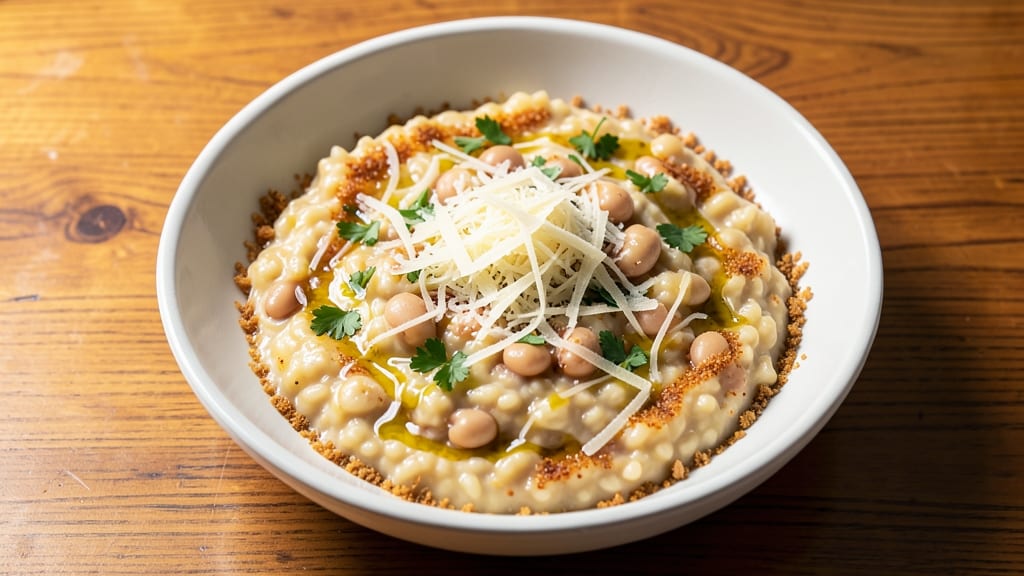
This bean risotto recipe transforms simple white beans and Arborio rice into a creamy, restaurant-worthy masterpiece that's perfect for vegetarian meals. 💛 The secret lies in gradual broth addition and proper rice-to-liquid ratios, creating that signature velvety texture while keeping the dish light enough to enjoy as a main course.
What sets this recipe apart is the combination of white beans and parmesan, which adds depth without heaviness. We'll toast the rice first to develop nutty flavors, then deglaze with white wine—a classic technique that builds rich, complex aromas.
The beans soften as the risotto cooks, releasing their earthy sweetness and blending seamlessly into the creamy sauce.
By the time you're done, you'll have a dish that's creamy but not overly rich, with tender rice grains and perfectly cooked beans throughout. The parmesan adds a salty, umami finish that makes every bite satisfying.
This risotto holds its shape beautifully when plated, making it ideal for both casual weeknight dinners and special occasions.
The best part? This recipe scales easily for crowds while maintaining that perfect texture. Once you master the technique, you can experiment with variations like smoked paprika or fresh herbs. Let's get cooking—your taste buds will thank you.
Ingredients for bean risotto
Simple ingredients, restaurant-worthy results—this bean risotto is your new go-to vegetarian dish.
| Ingredient | Amount | Notes |
|---|---|---|
| Arborio Rice 🍚 | 1 ½ cups | Uncooked, short-grain preferred |
| Canned White Beans 🌱 | 1 ½ cups | Drained, rinsed, cannellini or great northern |
| Vegetable Broth 💧 | 4 cups | Low-sodium, homemade or quality store-bought |
| Dry White Wine 🍷 | ½ cup | Sauvignon Blanc or Pinot Grigio |
| Parmesan Cheese 🧀 | ¾ cup | Freshly grated, aged minimum 24 months |
| Extra-Virgin Olive Oil 🫒 | ¼ cup | For toasting rice, fruity variety |
| Garlic Cloves 🧄 | 3 cloves | Minced, fresh preferred |
| Shallot 🧅 | 1 whole | Minced, or substitute 2 tbsp onion |
| Fresh Thyme 🌿 | 2 sprigs | Leaves only, or 1 tsp dried thyme |
| Salt 🧂 | 1 ½ tsp | Diamond Crystal kosher salt |
| Black Pepper 🌶️ | ½ tsp | Freshly ground |
| Lemon Zest 🍋 | 1 tsp | Fresh, for brightness |
| Fresh Parsley 🌿 | ¼ cup | Chopped, for garnish |
The Arborio rice is non-negotiable—its high starch content creates that signature creamy texture. Lundberg or Barilla are my go-tos, but any Arborio works. The white beans? Cannellini or great northern both work, but drain and rinse them well to remove excess starch. For the broth, homemade is ideal but Pacific Foods or Imagine low-sodium versions save time. The Parmesan needs to be aged—24 months minimum for that nutty depth. Grab a wedge from the deli counter and grate it fresh; pre-grated has anti-caking agents that ruin the texture.
No Arborio rice? Carnaroli or Vialone Nano are great substitutes, but Arborio is the most accessible. Short on white wine? Dry vermouth or extra vegetable broth works in a pinch. Fresh thyme unavailable? Dried at one-third the amount gets you close, but fresh is worth hunting down at Trader Joe's or your local market. The shallot adds delicate sweetness—if you don't have one, red onion works but tastes stronger. For extra richness, stir in 1 tbsp vegan butter at the end (trust me, it's amazing). And if you're feeling fancy, toast the rice in ghee instead of olive oil for a deeper flavor.
This risotto tastes even better the next day—just reheat with a splash of broth. Store leftovers in an airtight container for up to 4 days in the fridge. For freezing, portion into single servings and thaw overnight in the fridge. The Parmesan wedge keeps for weeks wrapped in parchment, and the rice stays fresh for 3 days uncooked in a cool, dark place. Make a double batch—it disappears fast at dinner parties!
Why You'll Love This Recipe
- No-Fuss Pantry Magic: I swear by this when my fridge is bare—just open a can of beans, pour in broth, and let the Arborio rice do its thing. The wine deglazes while I stir, and suddenly, dinner’s sorted.
- Creamy but Crunchy: That al dente bite from the Arborio meets the buttery richness of the beans—like a hug from Italy. Stir in Parmesan at the end, and the cheese pulls everything together in the most satisfying way.
- Weeknight to Potluck: Make a double batch on Sunday, and you’ve got lunch for Tuesday. Or bring it to a picnic—it’s hearty enough for a picnic blanket but still feels fancy enough for company.
- Budget Win: A can of beans and a bag of rice stretch this into four meals without breaking the bank. Plus, the wine adds depth without the price tag of a full bottle. My wallet thanks me every time.
Step-by-step instructions for creamy white bean risotto
Here's how to craft velvety, rich risotto with white beans and Parmesan—every spoonful is pure comfort.
🍳 Step 1: Toast the Rice and Build the Flavor Base
Heat the 0.25 cup extra-virgin olive oil in a heavy-bottomed pot over medium heat. Add the 1.5 cups arborio rice and stir constantly for 2-3 minutes until the grains turn translucent at the edges and you smell that nutty aroma. This toasting step is non-negotiable—it develops the rice's signature texture.
Add the 1 whole minced shallot, 3 cloves minced garlic, and 2 sprigs fresh thyme leaves. Cook for another 1 minute until the shallot softens and the garlic is fragrant but not browned. Here's the thing—if the garlic starts to color, you've gone too far. Immediately pour in the 0.5 cup dry white wine and stir until fully absorbed. The wine's acidity brightens the dish and prepares the rice to absorb the broth beautifully.
🥘 Step 2: Cook the Risotto with Broth and Beans
Add 1 cup hot vegetable broth to the pot and stir gently until the liquid is mostly absorbed. Repeat this process—adding 1 cup broth at a time—stirring constantly for 18-20 minutes total. The rice should be al dente with a slight bite in the center. If it sticks, add a splash more broth and scrape the bottom with a wooden spoon.
After 12 minutes of cooking, add the 1.5 cups drained white beans and 1 tsp lemon zest. The beans will break down slightly, creating that signature creamy texture. Stir them in gently so they blend without mashing completely. Keep the heat at medium-low—too high and the risotto will cook unevenly. You're aiming for a creamy consistency where the rice releases its starch gradually.
🔥 Step 3: Finish with Parmesan and Season
Once the rice is tender and the broth is fully absorbed, remove the pot from heat. Stir in the 0.75 cup freshly grated Parmesan cheese and 0.5 tsp black pepper. Let the residual heat melt the cheese into a silky sauce. Here's where it gets good—taste and adjust the seasoning with 1.5 tsp salt if needed. The beans and Parmesan should create a naturally rich, creamy texture, but don't be shy with the salt if your broth was low-sodium.
If the risotto feels too thick, loosen it with a splash of warm broth. The final texture should be luxurious but still have a slight resistance—like a cloud with body. Cover the pot and let it rest for 2-3 minutes to let the flavors meld. This resting period is crucial—it allows the rice to finish absorbing any remaining liquid and the cheese to fully emulsify.
🍽️ Step 4: Garnish and Serve Immediately
Transfer the risotto to serving bowls and top with the 0.25 cup chopped fresh parsley. The parsley adds a fresh contrast to the creamy, savory base. Serve while the risotto is still hot—it continues to thicken as it cools. Pair it with a simple arugula salad or crusty bread to soak up every last bit of that creamy goodness.
This risotto should be velvety, with each bite delivering a perfect balance of creamy beans, nutty rice, and sharp Parmesan. The lemon zest brightens the dish, while the thyme adds an earthy depth. Don't skip the resting time—it's what transforms good risotto into exceptional risotto.
Pro Tips For Making Bean Risotto
- TOAST YOUR BEANS: Drain and rinse canned white beans, then toss them in a dry skillet over medium heat for 3-4 minutes until lightly browned. This step deepens their flavor and prevents that canned-bean aftertaste—skip it, and your risotto will taste like it came from a soup kitchen.
- STIR LIKE YOUR LIFE DEPENDS ON IT: The first 10 minutes with Arborio rice are non-negotiable—keep stirring constantly over medium-high heat until the grains turn translucent at the edges. I learned this the hard way: once I walked away for "just a second," and my risotto turned into glue. (Yes, even if you're impatient like me.)
- USE STARCHY BROTH: Save the last ladleful of broth from cooking the beans—it’s packed with starch and flavor. Stir it into the risotto at the end instead of plain broth; it’ll make the texture creamier and richer without extra fat. (Your future self will notice the difference.)
- SALT THE BROTH LIKE THE SEA: Vegetable broth is often bland, so add an extra pinch of salt (or a splash of soy sauce) before using it in the risotto. The beans and wine will balance it, but unsalted broth will make your dish taste flat. Trust me, your taste buds will scream at you if you skip this.
Perfect pairings for this bean risotto
Side Dish Harmony
Pair your bean risotto with a simple arugula salad dressed with 1 tbsp lemon juice, 2 tbsp olive oil, and a pinch of salt. The peppery bite cuts through the creamy richness beautifully. I often add ¼ cup toasted pine nuts for crunch and texture contrast. 🥗
For a heartier option, serve with crusty sourdough bread or garlic focaccia. The bread soaks up any leftover risotto sauce, making every bite satisfying. Warm the bread in the oven for 3-5 minutes at 350°F to enhance its flavor.
Wine Pairings
A crisp Sauvignon Blanc from New Zealand or Loire Valley complements the dish perfectly. Its bright acidity and citrus notes mirror the lemon zest in the risotto. I love Cloudy Bay or Oyster Bay for a refreshing match. 🍷
For red wine lovers, a light Pinot Noir with earthy undertones works surprisingly well. Look for one from Oregon or Willamette Valley—they have enough acidity to balance the creaminess without overpowering the beans.
Beer Complements
A Belgian witbier like Hoegaarden adds a fun, citrusy contrast with its coriander and orange peel notes. The effervescence cleanses your palate between bites. For a local favorite, try Blue Moon—it's widely available and delivers similar brightness. 🍺
For a richer option, a German Hefeweizen with its banana and clove notes pairs beautifully with the Parmesan and thyme. Chill it to 45°F for optimal enjoyment.
Unexpected Twists
Add a drizzle of chili oil (about 1 tbsp) at the table for guests who crave heat. The smoky, spicy kick contrasts the creamy risotto wonderfully. I use La Choy chili oil for convenience, but homemade with 1 tbsp gochujang and 2 tbsp neutral oil is even better.
Finish with crispy prosciutto on top for a vegetarian-friendly twist. The salty, savory meat alternative adds depth without compromising the dish's vegetarian roots. Use about 2 oz thinly sliced prosciutto, heated in a pan for 30 seconds per side.
Nutrition facts
Frequently asked questions
Can I use different types of beans in this risotto?
While cannellini or great northern beans work perfectly, you can also use chickpeas, butter beans, or even black beans for a different flavor profile. Just ensure they're drained and rinsed well to avoid excess starch. For a heartier texture, try roasted chickpeas—they add a nice crunch contrast to the creamy risotto.
Why does my risotto turn out mushy instead of creamy?
Mushy risotto usually means the rice absorbed too much liquid or cooked too long. The key is constant stirring and adding broth gradually (1 cup at a time). Keep the heat at medium-low and remove from heat just before the rice is fully tender—it'll finish cooking from residual heat. Stirring releases starch for creaminess, not extra liquid!
Is this risotto gluten-free?
Not naturally, but you can easily adapt it! Use gluten-free Arborio rice (like Lundberg's) and ensure your broth, wine, and Parmesan are certified gluten-free. For extra creaminess, stir in 1 tbsp cornstarch with the beans. The flavor stays identical—just check all ingredients for hidden gluten.
How do I make this ahead of time?
Risotto tastes even better the next day! Cook it as directed, then let cool completely. Store in an airtight container for up to 4 days in the fridge. Reheat with 2-3 tbsp warm broth per cup of risotto, stirring gently over low heat. For serving, add a splash of fresh broth to loosen the texture before plating.
Can I substitute white wine with something else?
Yes! If you don't have white wine, use dry vermouth (same amount) or extra vegetable broth (reduce by ¼ cup). For a non-alcoholic option, try apple cider vinegar + 1 tsp sugar (½ cup total). The acidity is what brightens the dish—just don't skip it entirely, or the risotto will taste flat.