
Side Dishes
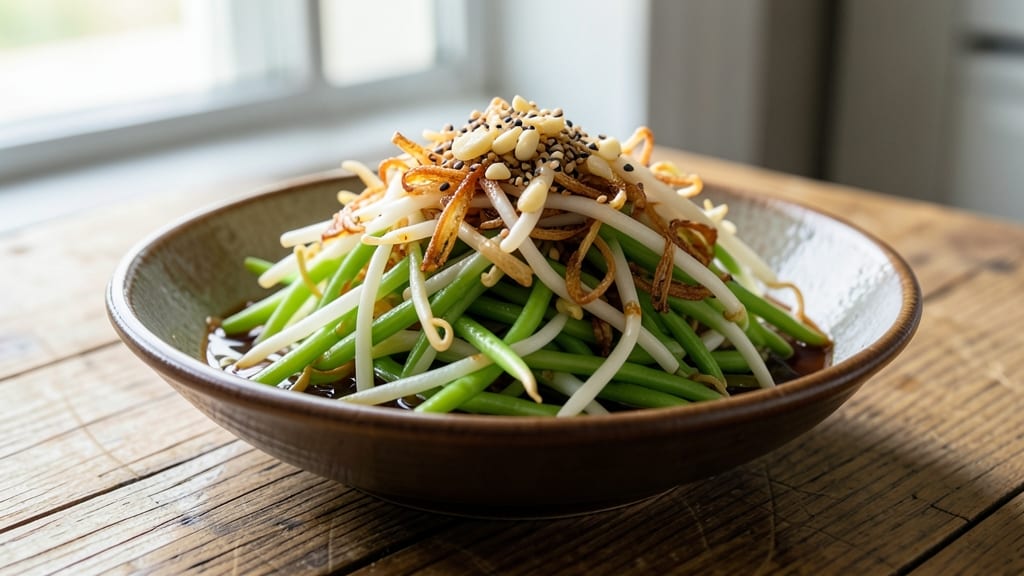
This bean sprout banchan Korean recipe delivers the perfect balance of crunch, zing, and umami that makes every Korean meal shine. The secret lies in fresh bean sprouts tossed with a vibrant garlic-soy dressing that transforms simple ingredients into a restaurant-quality side dish.
I've perfected this technique through countless meals at my Korean table, where it's always the first dish to disappear.
The beauty of this recipe is its simplicity—just a handful of ingredients that come together in minutes. You'll start with crisp bean sprouts, which hold their texture beautifully when blanched just right.
The seasoning blend of garlic, soy sauce, sesame oil, and a touch of sugar creates that signature Korean flavor profile: savory, slightly sweet, and just enough heat to wake up your palate.
What you'll end up with is a vibrant green side dish that's crisp on the outside, tender inside, and packed with that addictive garlic-soy flavor. The aroma alone will have everyone at the table reaching for seconds.
This banchan is traditionally served with rice and other side dishes, but it's so good on its own that you might not need anything else.
For those who love heat, a dash of red pepper flakes or gochugaru can be added, but the classic version relies on the natural flavors of the ingredients. The best part? This recipe scales perfectly—double it for a crowd or make a big batch to enjoy throughout the week.
Let's get started on creating this essential Korean side dish that brings authenticity to every meal.
Ingredients for bean sprout banchan korean
Fresh bean sprouts, garlic, and sesame oil—just a few ingredients for this addictive Korean side dish.
| Ingredient | Amount | Notes |
|---|---|---|
| Fresh Bean Sprouts 🌱 | 4 cups | Trimmed and rinsed thoroughly |
| Garlic Cloves 🧄 | 6 cloves | Minced finely for strong flavor |
| Soy Sauce 🍶 | ⅓ cup | Use light soy sauce for authentic taste |
| Sesame Oil 🫒 | 1 tbsp | Toasted sesame oil preferred |
| Granulated Sugar 🍯 | 1 tbsp | Or substitute maple syrup |
| Rice Vinegar 🍶 | 1 tbsp | White vinegar works in a pinch |
| Toasted Sesame Seeds 🌾 | 1 tbsp | For garnish and crunch |
| Red Pepper Flakes 🌶️ | ½ tsp | Optional for heat lovers |
| Vegetable Oil 🫒 | 1 tbsp | For blanching bean sprouts |
| Salt 🧂 | ½ tsp | Kosher salt preferred |
| Gochugaru (Korean Red Pepper Flakes) 🌶️ | ¼ tsp | Optional for authentic heat |
Bean sprouts are the star here. Look for fresh, crisp ones—the kind with bright green leaves still attached. Korean markets usually have the best quality, but the regular produce section at Trader Joe's or Whole Foods works too. Trim the ends and rinse them really well to remove any dirt. The garlic should be fresh—smell it first. If it doesn't smell strong, it's not strong enough. Toast your sesame seeds in a dry pan for about 2 minutes until fragrant—that aroma makes all the difference.
No soy sauce? Coconut aminos is a great substitute, though it'll taste slightly different. Running out of sesame oil? A mix of neutral oil plus a pinch of toasted sesame seeds gets you close. The sugar can be swapped for maple syrup or agave, but keep it to the same amount. For extra umami, add a dash of miso paste to the dressing. The red pepper flakes are optional, but if you love heat, gochugaru (Korean red pepper flakes) gives a more authentic, less bitter kick than regular cayenne.
This dish tastes even better the next day—make a big batch and store it in an airtight container in the fridge for up to 5 days. The bean sprouts hold their crunch well, but if they start to wilt, toss them with a little more sesame oil before serving. For a quick meal prep hack, blanch and store the sprouts separately, then toss with the dressing right before eating. The sesame seeds keep for months in a cool, dark place, so buy extra if you love this flavor.
Why You'll Love This Recipe
- Pantry Staple Magic: I swear by this one—no specialty ingredients, just what’s already lurking in my fridge. Bean sprouts, garlic, and a splash of soy sauce? That’s it. Honestly, I’ve made this three times this month because it never fails.
- Crispy-Garlicky Bliss: The secret’s in the quick stir-fry—high heat for those sprouts to get that perfect crunch, then a hit of garlic and sesame oil. That crispy edge with the creamy center? Chef’s kiss. (Yes, even on a Tuesday night.)
- Banchan for Everything: Slap this on the table with rice, kimchi, and grilled meat, or toss it into a bento box for lunch. My college kids eat it straight from the pot because it’s that good—no fuss, no questions.
- Zero-Waste Winner: A whole bag of sprouts disappears in one go, and the leftovers? Even better the next day. I double the batch every Sunday because it’s my go-to side that stretches my grocery budget without sacrificing flavor.
Step-by-step instructions for Korean bean sprout banchan
This zesty, crunchy side dish comes together in minutes with bold garlic-soy flavor.
Blanch the Bean Sprouts
Fill a large pot halfway with water and bring to a rolling boil. Add the 4 cups fresh bean sprouts and cook for exactly 1 minute and 30 seconds. You'll see them turn bright green and slightly wilted—that's perfect. Immediately drain and rinse under cold water to stop the cooking process. This quick blanching preserves their crisp texture while softening them just enough to absorb the flavorful dressing.
While the water heats, prepare an ice bath in a large bowl. Once the sprouts are drained, transfer them to the ice bath for 30 seconds to shock and crisp them up again. Drain well in a colander and set aside. This step is crucial—overcooked sprouts turn mushy, and undercooked ones stay too tough. You want them tender-crisp with a satisfying bite.
Toast the Garlic and Prepare the Sauce Base
Heat 1 tablespoon vegetable oil in a small skillet over medium heat. Add the 6 cloves minced garlic and toast for 30-45 seconds until fragrant and just beginning to turn golden. Watch carefully—garlic burns quickly, and you want it nutty, not bitter. Remove from heat immediately after toasting.
In a mixing bowl, combine the toasted garlic with 0.33 cup soy sauce, 1 tablespoon granulated sugar, and 1 tablespoon rice vinegar. Stir until the sugar dissolves completely. This forms the flavor foundation—sweet, salty, and tangy all at once. The sugar helps balance the acidity of the vinegar while enhancing the umami from the soy sauce. Taste the mixture now; you'll see how these simple ingredients create depth of flavor.
Assemble and Marinate the Banchan
Transfer the blanched bean sprouts to the mixing bowl with the sauce. Add 0.5 teaspoon salt, 0.5 teaspoon red pepper flakes, and 0.25 teaspoon gochugaru. Gently toss everything together with your hands or clean hands—this ensures even coating. The texture should be vibrant green with a glossy sheen from the sauce. Let the banchan marinate for 10 minutes at room temperature, stirring occasionally. This gives the flavors time to meld and the sprouts to absorb the dressing fully.
After marinating, taste and adjust seasoning if needed. You might want to add a splash more soy sauce for saltiness or a pinch of sugar to balance acidity. The perfect banchan should be bold in flavor but not overpowering—it's meant to complement your main dishes, not steal the show. The heat from the red pepper flakes and gochugaru should be noticeable but not spicy enough to dominate.
Finish with Sesame Oil and Garnish
Drizzle 1 tablespoon sesame oil over the marinated bean sprouts and toss gently to coat. The oil adds a rich, nutty aroma and helps distribute the flavors evenly. You'll see the sprouts glisten beautifully—the sesame oil gives that authentic Korean restaurant shine. Transfer the banchan to a serving dish and sprinkle with 1 tablespoon toasted sesame seeds for texture and visual appeal.
Serve immediately while still vibrant and warm. The contrast of crisp bean sprouts with the bold garlic-soy dressing makes this banchan irresistible. It pairs perfectly with grilled meats, rice, or even as a standalone snack. The key to success is timing—don't let the sprouts sit too long after blanching, or they'll lose their perfect texture. Enjoy this quick, flavor-packed side dish that's sure to become a staple in your Korean meal rotations!
Pro Tips For Making Bean Sprout Banchan Korean
- STIR-FRY IN BATCHES: Bean sprouts wilt fast—don’t drown them. Cook half the sprouts first, toss with sauce, then add the second batch. This keeps them crisp-tender instead of soggy. (Yes, it’s extra work, but trust me, the texture matters.)
- SMASH GARLIC RIGHT: Mince garlic thinly and let it sit 5 minutes before cooking. The edges soften, releasing flavor without burning. I used to crush it hard—now I just press the cloves flat with a knife. (Less mess, more aroma.)
- SALT THE SPROUTS FIRST: Toss raw sprouts with ½ tsp salt and cold water, then drain. This removes bitterness and helps them absorb the sauce better. Skip this, and your banchan will taste flat. (I learned this after making bland batches for years.)
- TOAST SESAME OIL LAST: Stir in sesame oil off the heat for 10 seconds—just until it fragrant. Add it too early, and the garlic burns. (I’ve ruined batches this way; now I wait until the pan’s cool enough to touch.)
Best sauces and condiments for bean sprout banchan korean
Garlic-Soy Dressing
This garlic-soy dressing is the heart of your bean sprout banchan, delivering that signature Korean umami punch. The key is balancing sweet, salty, and tangy notes using light soy sauce (like Kikkoman or Lee Kum Kee), granulated sugar, and rice vinegar.
I always toast the garlic in vegetable oil first—just until fragrant—to deepen its flavor without burning. This step transforms ordinary garlic into a rich, nutty base that ties everything together. 🧄
Sesame Oil Magic
Never skip the sesame oil—it’s what gives this dish its authentic restaurant-quality aroma and richness. Use toasted sesame oil (like Kadoya or La Choy) for that nutty, toasty depth. Drizzle it over the marinated sprouts right before serving to preserve its fresh aroma.
If you’re short on time, a mix of neutral oil + a pinch of toasted sesame seeds works in a pinch, though it won’t be as vibrant. A ½ teaspoon is enough to coat the sprouts beautifully.
Spicy Kick Options
For heat lovers, gochugaru (Korean red pepper flakes) is the gold standard—it’s smoother and less bitter than cayenne. Start with ¼ teaspoon and adjust to taste. If you can’t find gochugaru, cayenne or Korean chili flakes work, but reduce to ⅛ teaspoon to avoid overpowering the dish.
For a milder spice, try 1 tsp of finely chopped fresh chili (like Thai bird’s eye) instead. Always taste as you go—this dish should complement, not dominate, your meal. 🌶️
Umami Boosters
Want to take your banchan to the next level? Add a dash of miso paste (like white miso) to the dressing for extra depth, or stir in 1 teaspoon of fish sauce (if not vegan) for a savory punch.
For a vegetarian twist, swap fish sauce for ½ teaspoon of soy sauce + ½ teaspoon of mushroom powder. A splash of mirin (just ½ teaspoon) also enhances sweetness and complexity. These tweaks are subtle but make a world of difference in flavor.
Sweet-Tangy Balance
The rice vinegar in this recipe adds brightness, but if you prefer a sweeter profile, swap ½ teaspoon of vinegar for ½ teaspoon of honey or maple syrup. For extra tang, add ½ teaspoon of lemon juice at the end.
The goal is harmony—sweet, salty, tangy, and umami all working together. Taste your dressing before tossing it with the sprouts; adjusting here saves you from over-seasoning later. Trust your palate!
Garnish Game-Changers
Don’t underestimate the power of toasted sesame seeds—they add crunch, visual appeal, and a final nutty aroma. Toast them in a dry pan for 1-2 minutes until golden and fragrant. For a pop of color, add thinly sliced green onions or microgreens on top.
A sprinkle of flaky sea salt (like Maldon) elevates the dish to gourmet status. These finishing touches make your banchan look as good as it tastes, and they’re easy to customize based on what you have on hand. ✨
Nutrition facts
Frequently asked questions
Can I use dried bean sprouts instead of fresh?
Fresh bean sprouts are ideal for this recipe because they hold their texture best. Dried sprouts require soaking for 4-6 hours and won't have the same crispness after cooking. If you must use dried, soak them overnight, then rinse and drain thoroughly before blanching. The flavor will be similar, but the texture will be softer.
How do I make this recipe spicier?
For extra heat, add ½ teaspoon gochugaru (Korean red pepper flakes) to the dressing or 1 teaspoon of finely chopped fresh chili at the end. For a smoky kick, stir in ¼ teaspoon smoked paprika with the sesame oil. Always taste first—this dish should complement your meal, not overpower it.
Can I prepare this ahead of time?
Yes! Make it up to 3 days in advance and store in an airtight container in the fridge. The flavors actually develop better over time. When reheating, warm gently in a skillet with a splash of water to restore crispness. For meal prep, blanch the sprouts and store separately, then toss with the dressing right before serving.
What if my bean sprouts turn mushy?
Overcooking is the most common cause. Always blanch for exactly 1 minute 30 seconds and immediately shock in ice water. If they're already mushy, try this fix: Toss with 1 tablespoon toasted sesame oil and ½ teaspoon sugar to restore some texture. For next time, use younger sprouts—they're more tender and hold up better.
Is this recipe naturally gluten-free?
Yes, this basic version is gluten-free as long as you use tamari instead of regular soy sauce. The original recipe calls for light soy sauce, which contains wheat. For a completely gluten-free version, substitute tamari or coconut aminos in equal amounts. Check your sesame oil and vinegar labels too—some brands may contain gluten additives.