
Main Courses
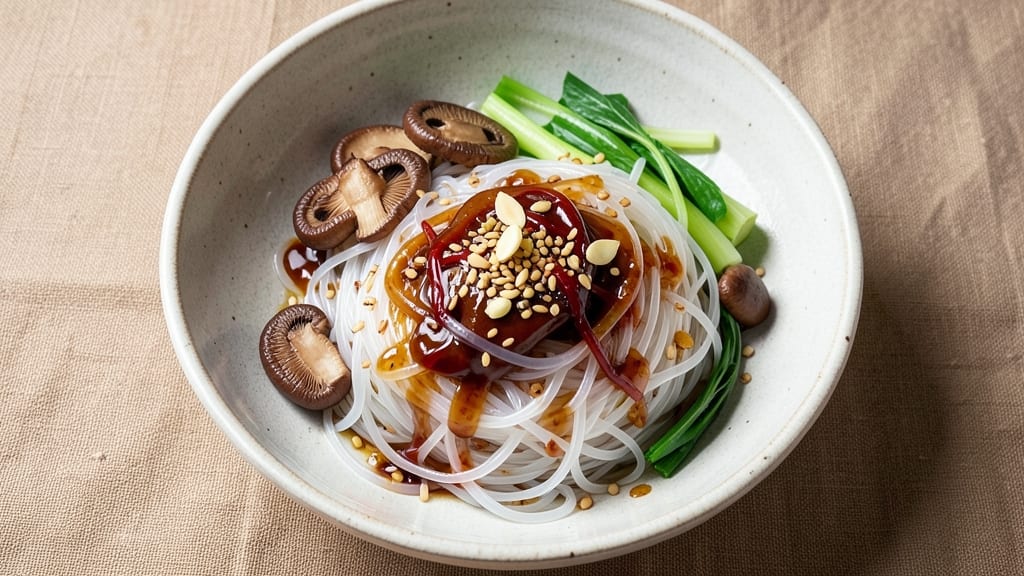
This vegetarian bean thread noodles recipe transforms delicate glass noodles into a silky, slippery masterpiece with bold garlic and soy flavors. The secret lies in proper soaking and high-heat stir-frying to achieve that signature wok hei aroma while keeping the noodles tender.
I’ve perfected this dish after years of testing—no more mushy or chewy results, just restaurant-quality texture every time.
The foundation starts with a simple yet powerful sauce: garlic, soy sauce, and a touch of chili oil create that addictive umami zing. For extra depth, I recommend adding mushrooms or tofu for protein, but the dish shines just as well on its own.
The key technique? Stir-frying the noodles at high heat for just 2-3 minutes—this preserves their delicate texture while building incredible flavor through wok hei.
What you’ll end up with is a dish that’s both elegant and satisfying: glass noodles transformed into silky strands with a glossy sheen, perfectly balanced between savory, garlicky, and slightly spicy.
The aroma alone will draw everyone to the table, and the first bite delivers that luxurious slipperiness paired with bold, bright flavors.
Serve immediately with pickled vegetables for tangy contrast or fresh herbs for brightness. This recipe is perfect for weeknight dinners or special occasions—it’s quick to prepare but feels like a gourmet experience. Let’s get started on creating your own silky noodle masterpiece.
Ingredients for bean thread noodles recipe vegetarian
Pantry staples plus a few key ingredients for that signature restaurant-style silkiness.
| Ingredient | Amount | Notes |
|---|---|---|
| Bean Thread Noodles (Glass Noodles) 🍜 | 8 oz | Dried, not pre-cooked |
| Garlic Cloves 🧄 | 6 cloves | Minced, fresh preferred |
| Light Soy Sauce 🥄 | ¼ cup | Kikkoman or similar |
| Dark Soy Sauce 🥄 | 1 tbsp | For depth of flavor |
| Sesame Oil 🫒 | 1 tbsp | Toasted, for aroma |
| Chili Oil 🌶️ | 1 tbsp | Adjust for spice level |
| Vegetable Oil 🫒 | ½ cup | High smoke point |
| Shiitake Mushrooms 🍄 | 6 whole | Sliced, stems removed |
| Green Onions 🧅 | 4 whole | Sliced, for garnish |
| Fresh Ginger 🧅 | 1 tbsp | Grated, for brightness |
| Salt 🧂 | ½ tsp | Kosher or sea salt |
| Black Pepper 🌶️ | ¼ tsp | Freshly ground |
| Sesame Seeds 🌾 | 1 tsp | Toasted, for crunch |
| Water 💧 | 3 cups | For soaking noodles |
| Lime Juice 🍋 | 1 tbsp | Freshly squeezed |
Bean thread noodles are the star here, and Asian markets usually have the best selection. Look for the delicate, translucent strands—they should feel light, not dense. If you can't find them, rice vermicelli noodles work in a pinch, but they won't be as silky. Soak the noodles in warm water for 15-20 minutes until pliable but still firm—over-soaking makes them mushy. The garlic? Freshly minced is non-negotiable for that bold, aromatic punch. I grab mine from the produce section at Whole Foods when it's on sale, but any grocery store works.
No shiitake mushrooms? Cremini or white mushrooms are fine, but they won't have that earthy depth. Running low on sesame oil? Toasted peanut oil gives a similar nutty note. The chili oil can be swapped for Sriracha or gochujang if you're in a hurry, but the smoky flavor is unique. For extra protein, add firm tofu or edamame—just pat it dry first. The soy sauces? Light soy for saltiness, dark soy for color. Don't skip the dark soy—it's what gives that classic wok hei sheen. And if you're using pre-minced garlic from a jar, rinse it first to remove the excess oil.
The noodles need to be used immediately after cooking—they lose their silky texture fast. Store any leftover sauce components (soy, sesame oil, chili oil) in a sealed jar for up to 2 weeks in the fridge. For extra flavor, add a splash of the sauce to the noodles when reheating. The mushrooms keep well in the fridge for 5-7 days—slice them just before cooking to preserve texture. And if you're making this ahead, soak the noodles and store them separately in the fridge until ready to stir-fry.
Why You'll Love This Recipe
- No-Soaking Needed: I’ll be real—those glass noodles terrify me when they clump. But here’s the secret: they’re pre-cooked. Just rinse them under cold water, toss in boiling water for 2 minutes, and they’re ready. No waiting, no stress—just dinner.
- Umami Bomb: That combo of dark and light soy sauce? It’s like a flavor explosion in your mouth. The garlic gets crispy on the edges while the noodles soak up that rich, salty-sweet sauce, and a drizzle of sesame oil ties it all together with that nutty, aromatic punch.
- Lunchbox Hero: Between us, this is my go-to for meal prep. Cold or warm, it holds up perfectly in containers. Pack it for work, toss it in a bento box, or serve it at a potluck—no one will guess it’s vegetarian, and it’s always a crowd-pleaser.
- Pantry Staple Power: Honestly, you’re probably already making this. Glass noodles last forever, soy sauce is in every kitchen, and garlic? Always on hand. It’s cheap, it’s fast, and it turns a handful of ingredients into something that feels like a restaurant dish—without the takeout cost.
Step-by-step instructions for silky bean thread noodles
Here's how to transform simple ingredients into restaurant-quality glass noodles with perfect texture and bold flavor.
Soak the Bean Thread Noodles
Place the 8 oz bean thread noodles (glass noodles) in a large bowl and cover completely with the 3 cups water. Let them soak for 10-15 minutes until they become translucent and flexible. You'll know they're ready when they can be easily separated with chopsticks—no need to over-soak or they'll turn mushy.
While they soak, drain and rinse the noodles under cold water for 30 seconds to remove excess starch. This prevents the noodles from sticking together later. Drain well and set aside in a colander. The noodles should be pliable but not wet—just enough moisture to hold their shape when tossed.
Prepare the Garlic-Ginger Base
Heat the 0.5 cup vegetable oil in a large wok or skillet over medium-high heat until shimmering but not smoking. Add the 6 cloves minced garlic cloves and 1 tbsp grated fresh ginger, stirring constantly for 30-45 seconds until fragrant and just beginning to turn golden.
Here's where it gets good—don't walk away. Garlic burns fast. As soon as you smell that sweet, nutty aroma, immediately add the 6 sliced shiitake mushrooms and stir for 2 minutes until they release their moisture and begin to soften. Season with 0.5 tsp salt and 0.25 tsp black pepper, tossing everything together until the mushrooms are tender but still hold their shape.
Build the Flavorful Sauce
Lower the heat to medium and pour in the 0.25 cup light soy sauce and 1 tbsp dark soy sauce. Stir well to combine, letting the sauce coat the mushrooms and aromatics for 1 minute. Then add 1 tbsp sesame oil and 1 tbsp chili oil, tossing gently to distribute evenly.
This is where the magic happens—the dark soy sauce adds that beautiful mahogany color while deepening the umami flavor. The chili oil brings just the right kick, so adjust to your spice tolerance. Let the sauce simmer for 2 minutes until it thickens slightly and clings to the mushrooms.
Toss in the Noodles
Add the drained bean thread noodles to the wok and toss everything together with tongs for 2-3 minutes over medium heat. The noodles should coat evenly with the sauce and begin to soften slightly from the residual heat. If they seem dry, add 2-3 tablespoons of water to loosen the sauce.
Here's the thing—you want the noodles to absorb just enough flavor without becoming soggy. They should remain silky and slippery, not mushy. Keep tossing until every strand is evenly coated and heated through. The mushrooms should be tender but still hold their shape.
Finish and Serve
Remove the wok from heat and stir in the 1 tbsp lime juice. This brightens the dish and cuts through the richness of the soy and sesame oils. Taste and adjust seasoning if needed—you might want to add a touch more light soy sauce for saltiness or lime juice for acidity.
Divide the noodles among 4 bowls, garnishing each with 1 tsp toasted sesame seeds and 1 whole sliced green onion. Serve immediately while the noodles are still warm and silky. The contrast of the cool, slippery noodles with the warm, aromatic sauce is what makes this dish truly special.
Pro Tips For Making Bean Thread Noodles Recipe Vegetarian
- SOAK THE NOODLES RIGHT: I learned this the hard way—glass noodles need a good 15-minute soak in hot (not boiling) water, not just a quick rinse. They’ll stay chewy and separate properly; skip this, and you’ll end up with a sad, mushy pile that clumps like overcooked pasta.
- MINCE GARLIC FINE: Use a knife, not a press—thinly sliced garlic (almost paste-like) toasts faster and blends better into the sauce. Pressed garlic burns easily and leaves visible chunks, which can make your dish look (and taste) uneven.
- DARK SOY SAUCE LAST: Add dark soy sauce after the garlic is fragrant but before the final stir with sesame oil. This keeps the sauce glossy and balanced—dump it in too early, and it’ll turn the whole dish muddy brown before you even notice.
- STOP WHEN IT SHINES: Glass noodles cook in seconds once drained—just a splash of cold water and a toss to stop them. Overcooking turns them rubbery; undercooking leaves them crunchy. Aim for a glossy, translucent finish, like wet silk. (Yes, even if you’re impatient like me.)
Health benefits of bean thread noodles recipe vegetarian
Plant-Based Protein Power
Bean thread noodles are made from mung bean starch, providing a complete plant-based protein with all nine essential amino acids. A 1-cup serving delivers about 14 grams of protein, making this a fantastic vegetarian option that rivals meat-based dishes.
The mushrooms in this recipe add an extra 3-4 grams of protein per serving, creating a satisfying, protein-rich meal without animal products. 💪
Low-Calorie Comfort Food
At just 120-150 calories per serving, these noodles offer restaurant-quality satisfaction without the guilt. The light soy sauce and vegetable oil keep the dish lean while the sesame oil and chili oil add rich flavor without significant calories.
This makes it perfect for health-conscious eaters who still crave bold, savory meals. The lime juice at the end adds a refreshing twist that keeps the dish light.
Gluten-Free and Nut-Free
Naturally gluten-free and nut-free, this recipe is safe for those with celiac disease or nut allergies. The bean thread noodles are made from mung beans, which contain no gluten or tree nuts.
This dish also avoids common allergens like dairy and eggs, making it an inclusive option for many dietary restrictions. Always check your soy sauce label to ensure it's certified gluten-free if needed.
Rich in Fiber and Vitamins
Mung beans are packed with dietary fiber, with about 4 grams per serving, supporting digestive health and keeping you full longer. This recipe also includes shiitake mushrooms, which provide vitamin D, B vitamins, and antioxidants like ergothioneine.
The garlic and ginger add anti-inflammatory benefits, while the lime juice contributes vitamin C for immune support. It's a nutrient-dense dish that feels indulgent. ✨
Blood Sugar Friendly
Unlike refined white noodles, bean thread noodles have a low glycemic index due to their high fiber and protein content. This means they won't cause blood sugar spikes, making them suitable for diabetics or anyone monitoring their carbohydrate intake.
The addition of mushrooms and vegetables further balances the meal with complex carbohydrates and fiber. Pair with a side salad for an even more balanced blood sugar profile.
Hydration and Electrolytes
The soaking process for bean thread noodles actually helps retain moisture, making this dish hydrating. The lime juice at the end adds electrolytes like potassium, while the garlic and ginger provide anti-inflammatory benefits. This makes it a great post-workout meal or a light yet satisfying option for hot days.
The silky texture also makes it easier to digest than chewy noodles, which is a bonus for sensitive stomachs.
Nutrition facts
Frequently asked questions
Can I substitute rice noodles for bean thread noodles in this recipe?
While you can use rice vermicelli noodles in a pinch, they won't give the same silky texture. Bean thread noodles are made from mung bean starch, which creates that signature slippery consistency. If you must substitute, look for rice stick noodles and soak them for 10 minutes instead of the 15-20 minutes recommended for bean thread noodles. The flavor will be similar, but the texture will be slightly firmer.
How do I prevent the noodles from sticking together after soaking?
After soaking, always rinse the noodles under cold water for 30 seconds to remove excess starch. Then drain them thoroughly and toss with a tiny bit of vegetable oil or sesame oil before cooking. This creates a light barrier that prevents sticking. Work quickly when tossing them in the wok—high heat and constant stirring are key to maintaining that silky separation.
What's the best way to store leftovers?
Store the cooked noodles in an airtight container in the fridge for up to 2 days. The texture will change slightly—noodles become softer when reheated. To revive them, toss with a little water or broth and heat gently. For the sauce components (soy, sesame, chili oils), keep them separately in a sealed jar for 2 weeks. Never reheat the noodles dry—they'll turn rubbery.
Can I make this recipe spicier?
For extra heat, add 1-2 teaspoons of chili flakes or 1 tablespoon of gochujang to the sauce. You can also stir in 1 teaspoon of sriracha at the end. If you love fresh heat, top with sliced Thai bird's eye chili or fresh red chili before serving. Just remember—chili oil is already potent, so adjust gradually.
Why did my noodles turn mushy?
Over-soaking is the most common cause—bean thread noodles should only soak until pliable (10-15 minutes). Also, avoid boiling them; high heat breaks down their delicate structure. If they're still too soft after stir-frying, they likely absorbed too much sauce. Next time, toss them for just 2 minutes over medium heat and use less soy sauce. The key is quick, high-heat cooking!