
Soups & Stews
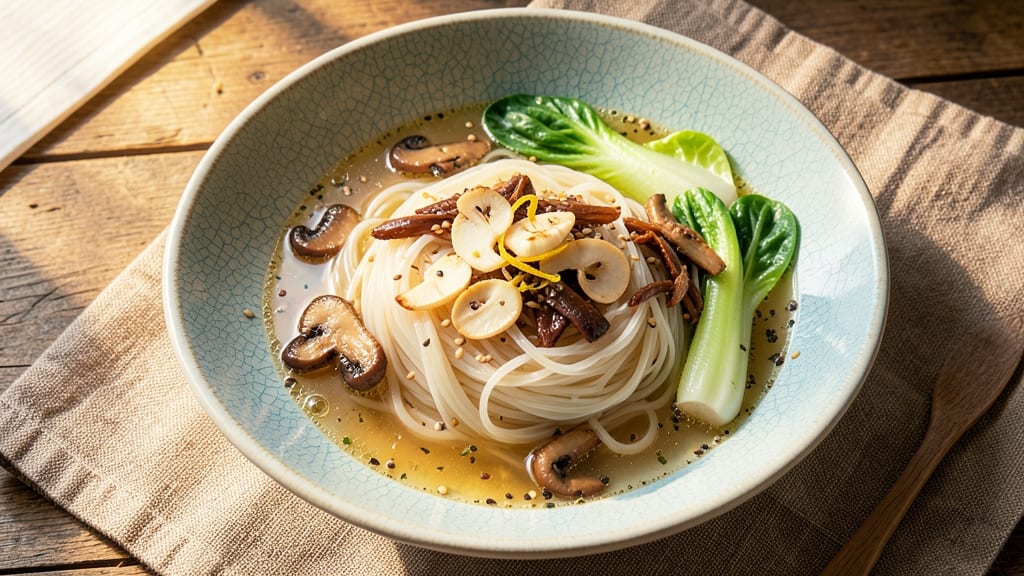
Bean thread noodles soup transforms simple ingredients into a dish that feels like a hug in a bowl—silky, slippery noodles gliding through a delicate broth that’s both comforting and refreshing. This recipe captures the essence of traditional Chinese cuisine, where the noodles aren’t just food but a celebration of texture and balance. The key lies in the preparation: fresh bean thread noodles, properly soaked and cooked to achieve that signature slippery consistency, paired with a light broth that enhances rather than overpowers.
The beauty of this soup is in its simplicity—just a handful of ingredients, but each plays a crucial role. Aromatic ginger and garlic form the base of the broth, while mushrooms and bok choy add depth and freshness.
The noodles, when cooked just right, create a mouthfeel that’s both satisfying and light, making this soup perfect for any season. Whether you’re serving it as a starter or a main dish, the contrast of textures and flavors will leave everyone asking for seconds.
What sets this recipe apart is the attention to detail—soaking the noodles properly, controlling the broth’s consistency, and balancing the flavors so that no single ingredient overpowers the others. The result is a soup that’s elegant yet approachable, with a light broth that lets the noodles shine.
It’s the kind of dish that feels special without requiring hours in the kitchen, making it ideal for both weeknight dinners and special occasions.
Once you master the technique, you’ll find endless ways to customize it—adding tofu for extra protein, swapping in different mushrooms, or adjusting the seasoning to suit your taste.
The possibilities are endless, but the foundation remains the same: silky noodles in a light, flavorful broth. Let’s get started on creating this timeless classic.
Ingredients for bean thread noodles soup
Simple ingredients transform into silky, slippery noodles in delicate broth—just 15 staples for perfect balance.
| Ingredient | Amount | Notes |
|---|---|---|
| Bean Thread Noodles (Dried) 🍜 | 4 oz | Soak in hot water for 10 minutes |
| Shiitake Mushrooms 🍄 | 8 oz | Fresh or rehydrated dried |
| Bok Choy 🥬 | 2 whole | Baby or regular size |
| Fresh Ginger 🧄 | 1 tbsp | Minced, aromatic base |
| Garlic Cloves 🧄 | 4 cloves | Minced for depth |
| Vegetable Broth 💧 | 4 cups | Low-sodium preferred |
| Sesame Oil 🫒 | 1 tbsp | Toasted for aroma |
| Soy Sauce 🍶 | 2 tbsp | Tamari for gluten-free |
| Rice Vinegar 🍶 | 1 tbsp | Balances flavors |
| Green Onions 🧅 | 3 whole | Sliced for garnish |
| Toasted Sesame Seeds 🌱 | 1 tsp | For texture contrast |
| Cornstarch 🌾 | 1 tsp | Slurry for thickening |
| Water 💧 | 2 tbsp | For cornstarch slurry |
| Salt 🧂 | ½ tsp | Adjust to taste |
| White Pepper 🌶️ | ¼ tsp | Freshly ground |
The bean thread noodles are the star—dried works best for that signature slippery texture. Asian markets carry them in bulk, or look for 'glass noodles' online. Soaking time is critical: 10 minutes in hot water (not boiling) until translucent. Fresh shiitake mushrooms add umami depth—dried rehydrate beautifully if you can't find fresh. Bok choy should be crisp, not wilted, with bright green leaves. For ginger and garlic, peeling and mincing fresh makes all the difference compared to powders. Vegetable broth is non-negotiable here—low-sodium versions prevent over-seasoning, and homemade is ideal if you have time.
No shiitake mushrooms? Oyster mushrooms or cremini work in a pinch, though texture differs slightly. Short on bok choy? Substitute napa cabbage or spinach, but adjust cooking time. The sesame oil is about aroma, not flavor—toast it lightly in a dry pan first to deepen its nutty notes. Tamari adds depth beyond regular soy sauce, but any soy sauce works in a bind. For the cornstarch slurry, mix thoroughly to avoid lumps—this is what gives the broth its signature silkiness. The white pepper is subtle but essential; black pepper won't cut it for this delicate broth. Fresh herbs like cilantro or Thai basil can replace green onions if you prefer.
Broth can be made ahead and stored for 3 days in the fridge or 3 months frozen. Noodles should be cooked just before serving—they lose texture when reheated. Portion into bowls immediately after assembly to prevent sogginess. Garnishes like sesame seeds and green onions keep best in the fridge for 1 week if stored in airtight containers. For meal prep, assemble components separately and combine when ready to eat. The soup reheats beautifully—just warm gently on the stove with a splash of water to restore its delicate consistency.
Why You'll Love This Recipe
- No-Soak Trick: I just toss the dried bean threads into boiling water—no pre-soaking, no waiting. Five minutes later, they’re silky and ready, while the mushrooms and bok choy wilt perfectly in the same pot. Honestly, it’s the kind of recipe that makes me feel like a lazy genius.
- Umami Bomb: That first bite? The shiitake mushrooms add this deep, earthy richness, while the garlic and ginger sizzle into something almost smoky. It’s not just flavor—it’s the kind of taste that lingers and makes you reach for a second bowl.
- Leftover Goldmine: This soup only gets better the next day. The noodles absorb the broth like a sponge, turning it into a heartier meal. I’ll be real: I’ve had it cold for lunch, reheated for dinner, and even packed it in my thermos—no complaints.
- Budget-Friendly Luxe: Dried bean threads and shiitake mushrooms stretch a long way, and bok choy is one of the most affordable greens out there. For a dish that feels fancy, it’s shockingly cheap—especially when you’re feeding a crowd or just treating yourself after a long week.
Step-by-step instructions for bean thread noodles soup
Here's how to create a delicate, silky noodle soup with perfect texture and balanced flavors.
Prepare the Bean Thread Noodles
Bring a small pot of water to a gentle boil. Add the 4 oz dried bean thread noodles and cook for exactly 10 minutes. You'll notice they swell dramatically and become translucent—this is when they reach their signature slippery texture. Drain immediately and rinse briefly under cold water to stop the cooking process. Set aside in a bowl of cool water to prevent them from sticking together.
Real talk: these noodles cook in seconds after being removed from the pot, so timing matters. If they overcook, they'll turn mushy instead of maintaining that delicate, almost gelatinous quality we want. Keep them submerged in cool water until you're ready to assemble the soup.
Sauté Aromatics and Mushrooms
Heat 1 tablespoon sesame oil in a large pot over medium-high heat until shimmering. Add the 8 oz shiitake mushrooms (sliced) and cook for 4-5 minutes until they release their moisture and begin to brown. The mushrooms should develop a rich, earthy aroma and slightly crisp edges.
Next, add the 1 tablespoon minced fresh ginger and 4 cloves minced garlic. Stir continuously for 30 seconds until fragrant—this prevents the garlic from burning. You'll smell that perfect balance of spicy ginger and sweet garlic, which forms the flavor foundation of the soup.
Build the Broth Base
Pour in the 4 cups vegetable broth and bring to a gentle simmer. Add the 2 whole bok choy (halved lengthwise) and let cook for 3-4 minutes until the greens soften but retain their vibrant color. Season with 0.5 teaspoon salt and 0.25 teaspoon white pepper, stirring to combine.
Taste the broth at this stage—it should be clean and flavorful with a subtle umami note from the mushrooms. If you find it needs more depth, add 1 tablespoon soy sauce now. The broth should coat the back of a spoon but remain light enough to let the noodles shine.
Thicken and Finish the Soup
In a small bowl, whisk together the 1 teaspoon cornstarch and 2 tablespoons water until smooth. Slowly pour this slurry into the simmering soup while stirring constantly. Cook for 1-2 minutes until the soup thickens slightly—it should coat a spoon but remain silky rather than gluey.
Remove from heat and stir in the 1 tablespoon rice vinegar and remaining 1 tablespoon soy sauce. This final adjustment balances the flavors with a touch of acidity and saltiness. The soup should now have a delicate, harmonious taste that lets each ingredient shine.
Assemble and Serve
Drain the bean thread noodles and add them to the soup. Gently stir to distribute them evenly—you want each serving to have an equal share of those slippery strands. The noodles will finish cooking in the hot broth, so work quickly to prevent overcooking.
Ladle the soup into bowls and garnish each serving with 1 whole sliced green onion and a sprinkle of 1 teaspoon toasted sesame seeds. Serve immediately while the noodles maintain their perfect texture. The contrast of cool, slippery noodles against the warm broth creates an unforgettable dining experience.
Pro Tips For Making Bean Thread Noodles Soup
- SOAK NOODLES SEPARATELY: I learned this the hard way—dumping dry bean threads into boiling broth makes them clump like a tangled mess. Instead, soak them in cold water for 10-15 minutes first, then rinse and add them to the simmering soup one handful at a time. They’ll absorb flavor better and stay silky, not mushy.
- SLICE MUSHROOMS THINLY: Thick shiitake slices hide in soup like shy guests. Cut them paper-thin (about 1/8-inch) so they soften fast and release their umami punch into the broth. Pro move: Sear them first in a dry pan for 30 seconds—they’ll deepen in flavor and look restaurant-worthy.
- GINGER-GARLIC PASTE WINS: Fresh ginger and garlic burn faster than you’d think. Instead of tossing chunks into the broth, grind them into a rough paste with a splash of water. This guarantees even distribution and prevents that bitter, half-cooked bite. (Yes, even if you’re impatient like me.)
- DON’T BOIL THE BOK CHOY: Bok choy wilts into sad, limp leaves when thrown into boiling soup. Add it last, when the broth is just simmering, and let it cook for 1-2 minutes—just until the stems soften. Overcooking turns it to mush, and nobody wants that.
Best sauces and condiments for bean thread noodles soup
Sesame-Ginger Drizzle
Elevate your soup with a homemade sesame-ginger drizzle that adds a bright, aromatic finish. Whisk together 1 tablespoon toasted sesame oil, 1 teaspoon soy sauce, ½ teaspoon grated fresh ginger, and ½ teaspoon rice vinegar.
Drizzle 1 teaspoon over each bowl just before serving—this enhances the umami depth while keeping the broth light. I love using Penzeys sesame oil for its rich, nutty flavor. 🌟
Spicy Chili Oil
For heat lovers, a spicy chili oil takes this soup to the next level. Combine 2 tablespoons neutral oil (like avocado) with 1 teaspoon chili flakes and ½ teaspoon Sichuan peppercorns (toasted). Heat until fragrant, then strain.
Drizzle ½ teaspoon over each serving—it adds a fiery kick that contrasts beautifully with the noodles' silky texture. Store leftovers in an airtight container for up to 2 weeks.
Mushroom Broth Boost
Deepening the broth's umami is key. For extra richness, blend ½ cup dried shiitake mushrooms with 1 cup hot water, strain, and add the liquid to your broth.
Alternatively, use 1 tablespoon mushroom powder (like Hodgson Mill) for a concentrated flavor boost. This works especially well if you're using a lighter broth base. 🍄
Lime and Chili Garnish
Brighten the dish with a zesty lime-chili garnish. Mix ½ teaspoon lime zest with ¼ teaspoon red pepper flakes and a pinch of salt. Sprinkle over each bowl for a tangy, spicy contrast.
The acidity cuts through the noodles' richness while adding freshness. I keep lime zest on hand year-round in the freezer for quick access. ✨
Tofu and Scallion Oil
Add protein with silken tofu cubes poached in the broth for 3-4 minutes before adding noodles. For extra flavor, drizzle with scallion oil: sauté 2 scallions in 1 tablespoon oil until crisp, then strain.
The tofu soaks up the broth's flavors while adding a delicate, creamy texture. This works especially well for heartier servings. 💛
Sweet and Sour Finish
Balance the soup with a sweet-sour splash. Mix 1 teaspoon rice vinegar with ½ teaspoon honey or agave, then drizzle over the soup. This adds complexity without overpowering the delicate flavors.
For a smoky twist, substitute ½ teaspoon toasted sesame paste for the honey. The contrast makes every spoonful more dynamic. 🔥
Nutrition facts
Frequently asked questions
Can I use fresh bean thread noodles instead of dried?
Fresh bean thread noodles are rare in most markets, but if you find them, they require immediate use—they won't store like dried. Fresh noodles cook in just 1-2 minutes in boiling water, so monitor closely to avoid mushiness. For best results, stick with dried noodles, which develop that signature slippery texture when soaked properly.
How do I fix noodles that turned out mushy?
If your noodles overcooked, don't panic! Drain them immediately and rinse with ice water to stop the cooking. For a quick fix, toss the noodles with 1 teaspoon cornstarch and a splash of water to create a light coating. This helps restore some texture when reheated gently in the broth. Prevention tip: Always soak dried noodles in hot water for exactly 10 minutes—no more!
Can I make this soup gluten-free?
Use tamari instead of regular soy sauce and ensure your vegetable broth is certified gluten-free. For extra safety, check all ingredients—some dried shiitake mushrooms or broth bases may contain wheat. The recipe naturally avoids gluten, so with these adjustments, it becomes fully gluten-free while keeping all the delicate flavors intact.
What's the best way to store leftovers?
Store the soup in an airtight container in the fridge for up to 3 days. Reheat gently on the stove with a splash of water to restore the broth's light consistency. For longer storage, freeze the broth separately (without noodles) for up to 3 months. Recook noodles fresh when reheating—never freeze them with the soup, as they'll absorb too much moisture and lose their signature texture.
Why does my broth taste bland?
Bland broth usually means insufficient umami depth. Boost flavor by adding 1 extra tablespoon soy sauce or using a mushroom broth booster> (blend ½ cup dried shiitake with 1 cup hot water, then strain). Also check your salt—white pepper adds subtle warmth, but you might need an extra pinch of salt. For extra richness, toast your sesame oil longer before adding it to the pot.