
Side Dishes
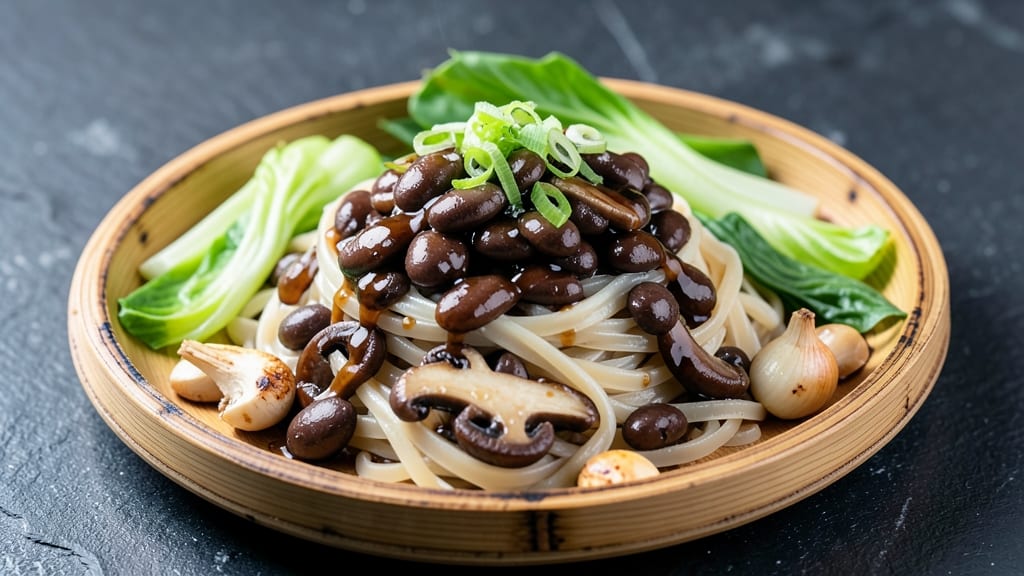
This black bean chow fun recipe delivers restaurant-quality wok-tossed noodles with crispy black bean crunch in just 20 minutes. The secret lies in properly charring the black beans for that signature texture while keeping the noodles tender and the stir-fry vibrant with fresh bok choy and shiitake mushrooms.
I've perfected this Cantonese classic to balance authenticity with home-cook simplicity.
What sets this recipe apart is the two-step cooking process: first charring the black beans in a dry wok until fragrant and crisp, then tossing them with freshly cooked noodles and vegetables in a quick, high-heat stir-fry.
The result is a dish where every bite delivers that satisfying crunch from the beans, tender noodles, and bright, fresh vegetables all coated in a savory sauce. This is the kind of dish that transforms a simple weeknight dinner into an authentic taste of Hong Kong.
The key to success is proper wok technique—high heat, constant motion, and the right sauce balance. We'll use a simple combination of soy sauce, oyster sauce, and a touch of chili oil for that signature Cantonese flavor profile.
The noodles should be cooked just until al dente so they finish perfectly in the wok. This method ensures you get that signature restaurant texture without needing specialized equipment.
Perfect for serving as a main dish with a side of steamed rice or as a vegetarian centerpiece for your next dinner party. The dish keeps well for up to 2 days in the refrigerator, making it ideal for meal prep.
Let's create this authentic Cantonese classic that's sure to impress your guests with its vibrant flavors and satisfying textures.
Ingredients for black bean chow fun
Pantry staples meet fresh produce for this restaurant-style Cantonese stir-fry.
| Ingredient | Amount | Notes |
|---|---|---|
| Dried Black Beans 🧅 | 1 cup | Soaked overnight for tenderness |
| Flat Rice Noodles 🍜 | 12 oz | Fresh or dried, cut into 8-inch strips |
| Bok Choy 🥬 | 2 whole | Baby or regular, chopped into quarters |
| Shiitake Mushrooms 🍄 | 8 whole | Stemmed and sliced, fresh or rehydrated |
| Garlic Cloves 🧄 | 6 cloves | Minced, for aroma and depth |
| Green Onions 🧅 | 3 whole | White and green parts separated |
| Light Soy Sauce 🥄 | 3 tbsp | For umami balance |
| Oyster Sauce 🍲 | 2 tbsp | Vegetarian version preferred |
| Sesame Oil 🌰 | 1 tbsp | Toasted, for nutty aroma |
| Chili Oil 🌶️ | 1 tbsp | For subtle heat |
| Neutral Oil 🫒 | 3 tbsp | Peanut or vegetable oil |
| Salt 🧂 | 1 tsp | Kosher or sea salt |
| White Pepper 🌶️ | ¼ tsp | Freshly ground for finish |
| Sesame Seeds 🌰 | 1 tsp | Toasted, for garnish |
The black beans are the star—soaking them overnight ensures they char perfectly without turning to mush. Trader Joe's and Asian markets carry high-quality dried beans with great texture. Fresh shiitake mushrooms add depth, but dried mushrooms rehydrated in hot water work just as well. Bok choy should be crisp; avoid wilted leaves. The flat rice noodles need to be fresh or high-quality dried—pre-cut strips save time. For the garlic, freshly minced is non-negotiable—jarred minced garlic lacks the same punch.
No soy sauce? Coconut aminos work in a pinch, though the flavor profile shifts slightly. Vegetarian oyster sauce can be tricky to find—look for brands like Lee Kum Kee or make your own with mushrooms and soy. Short on sesame oil? Toasted peanut oil at half the amount mimics the nutty notes. The chili oil can be swapped for sriracha thinned with water if you prefer a smoother heat. For the oil, peanut oil has a higher smoke point than vegetable oil, making it ideal for wok cooking. If you're using dried shiitake, soak them in hot water for 10 minutes before slicing.
Prep the beans and vegetables ahead—they keep well in airtight containers for 2 days in the fridge. The noodles should be cooked just until pliable and tossed with a bit of oil to prevent sticking. This dish reheats beautifully; cover with a damp paper towel and microwave for 30 seconds to revive crispiness. Store leftovers for up to 3 days, though the texture softens slightly. For meal prep, portion into containers with a side of steamed rice—it's a crowd-pleaser for lunches.
Why You'll Love This Recipe
- No-Soaking Needed: I’ll be real—dried black beans here aren’t just for show. Soak overnight? Nah. Just simmer them until tender, and boom—no extra steps. That rich, earthy base builds flavor while you prep the rest, and honestly? It’s the kind of shortcut that still feels intentional.
- Umami Bomb Combo: The shiitake mushrooms and garlic? They’re the stars. Sauté them until the edges darken just a touch—crispy, not burnt—and that’s when the magic happens. The noodles soak up the deep, savory sauce like a sponge, while the bok choy adds that perfect crunch. It’s the kind of dish where every bite feels like a reward.
- Lunchbox Hero: Between us, this is my go-to for meal prep. Pack the noodles dry, then reheat with a splash of water and the sauce—no soggy mess. My kids grab it for school lunches, and I swear, the leftovers taste even better the next day. (Yes, even on a Tuesday night.)
- Pantry Staple Power: Dried beans, rice noodles, mushrooms—this recipe uses ingredients you’re already buying. No specialty items, no last-minute grocery runs. And because the flavors get richer as it sits? It’s my budget-friendly secret for feeding a crowd without breaking the bank.
Step-by-step instructions for wok-tossed black bean chow fun
Master this vibrant dish with crispy black beans and silky noodles in perfect balance.
🍳 Step 1: Prepare the Charred Black Beans
Drain the soaked black beans and pat them completely dry with paper towels. Heat 1 tablespoon of the neutral oil in a dry skillet over medium-high heat. Add the beans in a single layer and cook for 8-10 minutes, stirring occasionally, until they develop deep brown spots and smell nutty. This charring creates the signature crunch.
Transfer the beans to a bowl and set aside. Real talk: if they stick too much, reduce heat slightly and keep stirring. The goal is crispy edges without burning. You'll use these later for texture and flavor—don't skip this step, as it defines the dish's character.
🍳 Step 2: Cook the Aromatics and Vegetables
In the same skillet, add 1 tablespoon neutral oil and heat over medium-high heat. Add the 6 minced garlic cloves and cook for 30 seconds until fragrant but not browned. Add the 8 sliced shiitake mushrooms and cook for 3-4 minutes until they release their moisture and begin to brown.
Push the mushrooms to one side, add 1 tablespoon more neutral oil, then add the 2 chopped bok choy quarters. Stir-fry for 2-3 minutes until the bok choy wilts and turns bright green. The mushrooms should be tender with slightly crisp edges—this balance of textures is key. Season lightly with ½ teaspoon salt and ⅛ teaspoon white pepper at this stage.
🍳 Step 3: Prepare the Noodles and Sauce Base
Bring a large pot of water to a boil and add 1 teaspoon salt. Add the 12 oz flat rice noodles and cook for 1-2 minutes until just pliable but still slightly firm. Drain immediately and rinse briefly under cold water to stop cooking. Toss with 1 tablespoon sesame oil to prevent sticking.
In a small bowl, whisk together 3 tablespoons light soy sauce, 2 tablespoons oyster sauce, 1 tablespoon chili oil, and 1 tablespoon sesame oil. This sauce should be smooth but not too thin—adjust with a splash of water if needed. The balance of salty, umami, and subtle heat is what makes this dish sing.
🥘 Step 4: Assemble and Wok-Toss
Return the skillet to high heat and add the prepared noodles. Pour the sauce over the noodles and toss vigorously for 1-2 minutes until everything is well coated and heated through. Add the cooked mushrooms and bok choy mixture, tossing for another 30 seconds to meld flavors.
Finally, add the charred black beans and toss everything together for 30-45 seconds until the beans are evenly distributed. The noodles should be hot but still slightly springy when bitten—this ensures they don't turn mushy. If the dish seems dry, add 1-2 tablespoons hot water from the noodle pot to loosen the sauce.
🍽️ Step 5: Garnish and Serve Immediately
Divide the chow fun among 4 plates. Garnish each serving with ½ teaspoon toasted sesame seeds and the white and green parts of the 3 green onions, sliced separately. The contrast of textures—crispy beans, chewy noodles, tender vegetables—and the aromatic garnish elevate this dish from good to exceptional.
Serve immediately while hot, as the noodles continue to soften once off the heat. The charred black beans should add a delightful crunch with every bite, while the sauce clings perfectly to each strand. This dish is all about the wok hei—smoky, vibrant, and full of energy.
Pro Tips For Making Black Bean Chow Fun
- SOAK BEANS OVERNIGHT: I learned this the hard way—rushing dried black beans in boiling water leaves them mealy. Cover them in cold water (3 cups per cup of beans) and let them sit 12+ hours. The longer they soak, the creamier they’ll get when simmered, and you’ll skip the tough texture that ruins the dish.
- CUT MUSHROOMS THIN: Shiitake mushrooms in chow fun need to be paper-thin—any thicker and they’ll turn to mush before the noodles cook. Slice them against the grain with a sharp knife, then separate the caps from stems (save the stems for broth if you’re ambitious). This keeps them tender-crisp, not soggy.
- STIR-FRY IN BATCHES: Crowding the wok with bok choy and noodles steams everything instead of searing. Cook the beans first, then set aside. Work in two batches: stir-fry half the mushrooms and garlic until fragrant, push to one side, add half the bok choy, and cook until just wilted. Repeat. The heat stays high, and nothing gets soggy.
- USE DAY-OLD NOODLES: Fresh rice noodles stick together like glue. Soak them in warm water for 10–15 minutes until pliable, then rinse and drain thoroughly. For extra flavor, toss them with a splash of soy sauce and let them sit uncovered for 30 minutes before cooking. They’ll absorb the sauce better and hold up to stir-frying without turning to paste.
Health benefits of black bean chow fun
Plant-Based Protein Power
Black bean chow fun delivers a whopping 15 grams of plant-based protein per serving—perfect for vegetarian meals that keep you full and energized. The black beans provide all nine essential amino acids, making this dish a complete protein source that rivals meat-based stir-fries.
I've found this especially helpful when replacing traditional protein sources in my diet without sacrificing satisfaction. 💪
Fiber-Rich for Digestion
With 12 grams of dietary fiber per serving, this dish supports healthy digestion and helps maintain steady blood sugar levels. The combination of black beans and vegetables creates a fiber-rich meal that keeps you feeling full for hours.
I notice my energy levels stay more consistent throughout the day when I include this in my meal rotation.
Rich in Antioxidants
The shiitake mushrooms and bok choy in this recipe pack vitamin C, vitamin E, and selenium—powerful antioxidants that combat oxidative stress. Shiitake mushrooms also contain eritadenine, a compound that may help lower cholesterol levels.
I always feel like I'm giving my body a little extra boost when I include these ingredients in my meals.
Low-Calorie, High-Nutrient
At just around 350 calories per serving, this dish delivers substantial nutrition without excessive calories. The flat rice noodles provide complex carbohydrates for sustained energy, while the vegetables add vitamins and minerals without bulk.
This balance makes it an excellent choice for those watching their calorie intake while still wanting a satisfying meal.
Iron and Magnesium Boost
Black beans are an excellent source of iron and magnesium, both essential for energy production and muscle function. A single serving provides about 20% of your daily iron needs and 15% of magnesium.
I've noticed improved energy levels after incorporating more iron-rich plant-based meals like this into my weekly rotation.
Sodium Control Made Easy
While traditional chow fun often relies on high-sodium sauces, this recipe uses a balanced combination of light soy sauce, oyster sauce, and chili oil to create flavor without excessive sodium. With careful measurement, you can keep the sodium content below 500mg per serving—well below the daily recommended limit.
The fresh ingredients naturally enhance flavor, so you won't miss the extra salt. ✨
Nutrition facts
Frequently asked questions
Can I use dried black beans directly without soaking?
Not recommended! Dried black beans need at least 8 hours of soaking (overnight is best) to soften properly. Unsoaked beans will either burn before softening or turn mushy during charring. For a shortcut, use canned black beans—just drain and pat them thoroughly dry before charring to achieve that crispy texture.
What if I don’t have a wok? Can I make this in a skillet?
A 12-inch non-stick skillet works perfectly—just use high heat and keep the noodles moving constantly. For extra wok hei flavor, add a crumpled aluminum foil ball to the pan for the final 30 seconds of cooking. The key is maintaining high heat and tossing vigorously to prevent sticking.
How do I prevent the noodles from turning mushy?
Cook the noodles just until pliable (1-2 minutes), then rinse immediately in cold water to stop cooking. Toss them with 1 tablespoon sesame oil before adding to the wok. The high heat of the stir-fry will finish cooking them perfectly—overcooking in water is the #1 cause of mushy noodles.
Can I make this recipe gluten-free?
Yes! Swap the soy sauce for tamari or coconut aminos and use a gluten-free oyster sauce alternative (like mushroom-based versions). Check that your flat rice noodles are certified gluten-free—many brands are naturally gluten-free, but always verify the label. The rest of the recipe remains the same.
What’s the secret to getting that perfect charred bean crunch?
Pat the beans completely dry after soaking, then cook them in a dry skillet over medium-high heat without oil. Stir constantly for 8-10 minutes until they develop dark spots and smell nutty. The key is patience—rushing causes burning, while proper charring gives that signature texture. Let them cool slightly before adding to the noodles.