
Main Courses
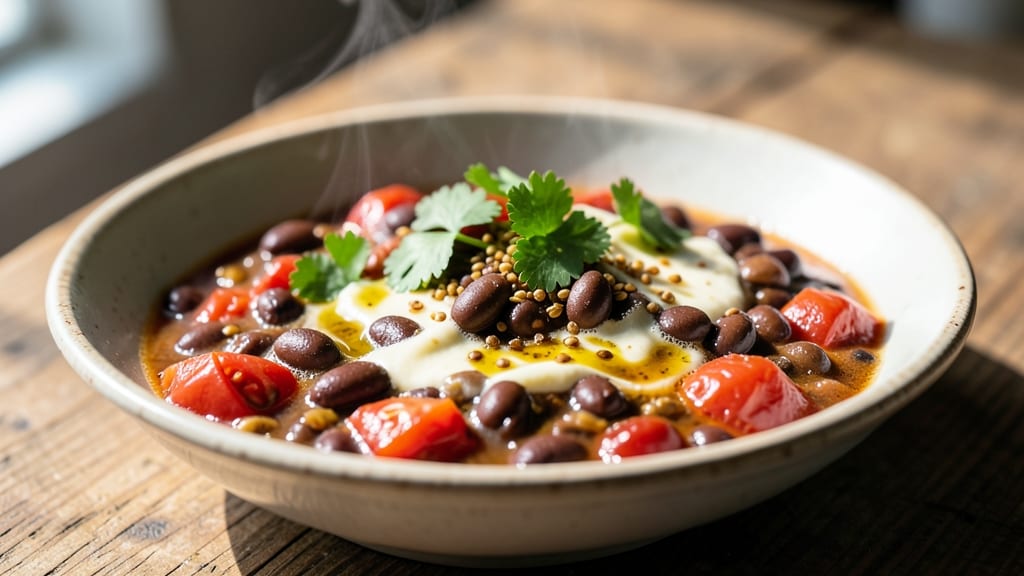
This black bean dal recipe transforms humble black beans into a rich, aromatic dish that captures the soul of Indian-Puerto Rican cuisine. The secret lies in the spiced cumin and mustard seed tempering—where fragrant whole spices bloom in hot oil before embracing the beans.
I've perfected this recipe to deliver deep, earthy flavors with just the right balance of spice and creaminess, all while keeping it plant-based and protein-packed.
The beauty of this dal is its versatility—it works equally well as a comforting weeknight meal or a centerpiece for special occasions. Traditional methods like slow simmering develop complex flavors, but modern shortcuts (like using an Instant Pot) cut the time without sacrificing depth.
The beans soften into a creamy, velvety texture, while the spices create layers of warmth that linger on the palate.
What you'll achieve is a dish that's naturally hearty yet light enough to pair with rice, roti, or even crusty bread. The aromatic tempering—cumin, mustard seeds, and turmeric—infuses every spoonful with earthy, spiced richness, while a touch of coconut milk adds subtle creaminess.
This is the kind of dal that transforms simple ingredients into something extraordinary.
Whether you're following traditional techniques or using modern appliances, the result is the same: a flavorful, satisfying dish that's as nourishing as it is delicious. Let's get started on creating this comforting, spice-infused masterpiece.
Ingredients for black bean dal
Rich spices, velvety beans, and aromatic tempering create this soulful vegan dal masterpiece.
| Ingredient | Amount | Notes |
|---|---|---|
| Black Beans 🌱 | 1 ½ cups | Dried, soaked overnight |
| Yellow Onion 🧅 | 1 whole | Medium size, diced |
| Tomatoes 🍅 | 2 whole | Roma, diced (or 1 cup canned San Marzano) |
| Garlic Cloves 🧄 | 4 cloves | Fresh, minced |
| Ginger Root 🌿 | 1 tbsp | Freshly grated (about 1-inch piece) |
| Cumin Seeds 🌶️ | 1 tbsp | Whole, toasted |
| Mustard Seeds 🌶️ | ½ tbsp | Whole, yellow |
| Turmeric Powder 🌿 | 1 tsp | Freshly ground preferred |
| Ground Cumin 🌶️ | 1 tsp | Freshly toasted for depth |
| Coconut Milk 🥥 | ½ cup | Full-fat, unsweetened |
| Vegetable Broth 💧 | 2 cups | Low-sodium preferred |
| Lemon Juice 🍋 | 1 tbsp | Freshly squeezed |
| Cilantro 🌿 | ¼ cup | Fresh, chopped (stems included) |
| Extra-Virgin Olive Oil 🫒 | 2 tbsp | For tempering |
| Salt 🧂 | 1 tsp | Diamond Crystal kosher |
The spices are where the magic happens. Whole cumin and mustard seeds must be toasted in hot oil until fragrant—this releases their essential oils and builds the dal's aromatic foundation. Penzeys Spices or bulk bins at Indian markets are ideal for high-quality whole spices. Fresh ginger and garlic are non-negotiable here; the zing of fresh ginger brightens the earthy beans, while garlic adds depth. For the tomatoes, San Marzano canned tomatoes provide the sweetest, most flavorful base, but fresh Roma tomatoes work beautifully if you're in season. The black beans should be soaked overnight for the creamiest texture possible—never use canned beans here unless you're in a pinch.
No whole cumin seeds? Ground cumin at double the amount works, though the texture will differ slightly. Substituting mustard seeds with 1/2 teaspoon mustard powder is possible, but you'll lose that signature sizzle and aroma. Running short on coconut milk? Cashew cream made from soaked cashews yields similar richness. The vegetable broth can be swapped for water, but adding 1 teaspoon soy sauce or miso paste enhances umami depth. Fresh cilantro is traditional, but if you're sensitive to its flavor, fresh parsley at half the amount provides a milder finish. For a smokier profile, add 1/4 teaspoon smoked paprika during the tempering stage.
This dal develops deeper flavor with each passing hour, so make it a day ahead if possible. Store in an airtight container in the refrigerator for up to 5 days, or freeze for 3 months. The coconut milk may separate when refrigerated—simply stir vigorously before reheating. For serving, keep the tempering oil separate and drizzle it over each bowl at the table. The spices lose potency over time, so toast fresh cumin and mustard seeds whenever you're ready to cook. This recipe serves 4 generously, but leftovers make perfect lunches or quick dinners.
Why You'll Love This Recipe
- No-Fuss Pantry Staples: I swear by this recipe because it uses what I always have—no special shopping required. The black beans soak up the flavors like a dream, while the onions, tomatoes, and garlic-ginger paste (yes, I use the jarred kind) turn it into something special with almost no effort.
- Deep, Earthy Richness: That slow simmer with tomatoes and onions? It builds layers of flavor you won’t find in instant dal mixes. The ginger and garlic caramelize just enough to give it a warm, spiced depth that lingers—like a hug in a bowl.
- Leftover Magic: This dal tastes better the next day. Honestly, I often make a double batch because it’s perfect for lunches—just reheat with a splash of water, and it’s heartier than fresh. My kids even ask for it cold in wraps (don’t judge).
- Budget Meal for Crowds: A single can of beans and a few cheap veggies stretch to feed four for under $5. It’s my go-to for potlucks or when friends drop by unexpectedly—no one leaves hungry, and no one asks what’s in it.
Step-by-step instructions for black bean dal
Transform simple ingredients into a deeply aromatic, spiced black bean dal with layers of cumin and mustard seed complexity.
Toast Whole Spices for Maximum Flavor
Heat a dry skillet over medium heat and add the 1 tablespoon cumin seeds and ½ tablespoon mustard seeds. Toast for 1-2 minutes until the cumin seeds begin to pop and release their aroma—you'll smell a warm, earthy fragrance that signals they're ready. Immediately transfer the toasted seeds to a small bowl and set aside.
In the same skillet, add the 2 tablespoons extra-virgin olive oil and swirl to coat the bottom. Add the 1 whole yellow onion, diced, and cook for 5-6 minutes until softened and beginning to caramelize at the edges. This foundational step develops the dal's sweet, savory base. Keep the heat at medium-low to prevent burning.
Build the Spice Base with Aromatics
Add the 4 minced garlic cloves and 1 tablespoon freshly grated ginger root to the skillet, stirring for 30 seconds until fragrant. The ginger should release its sharp, citrusy aroma while the garlic turns golden. Immediately add the 1 teaspoon turmeric powder and 1 teaspoon ground cumin, stirring for another 30 seconds to toast the spices gently.
Pour in the 1.5 cups soaked black beans (drained) and stir to coat them evenly in the spice mixture. The beans should absorb the aromatic oils and spices, creating a flavorful crust. Add the 2 cups vegetable broth and bring to a gentle simmer over medium heat. This is where the dal begins its transformation—watch for bubbles forming at the edges of the pot.
Simmer Until Beans Are Tender
Reduce heat to low and partially cover the pot. Let the dal simmer for 45-50 minutes, stirring occasionally to prevent sticking. You'll know it's ready when the beans are fork-tender and the sauce has thickened slightly. The dal should have a velvety consistency with just enough liquid to coat the beans.
If the dal reduces too quickly, add ¼ cup water at a time until it reaches your preferred consistency. The beans should hold their shape but be soft enough to mash slightly between your fingers. This simmering process allows the spices to meld and the flavors to develop fully.
Finish with Coconut Milk and Brighten with Acid
Stir in the ½ cup coconut milk and 1 tablespoon lemon juice, simmering for another 5 minutes to incorporate the flavors. The coconut milk adds a subtle richness while the lemon juice brightens the dish, cutting through the earthy spices. Taste and adjust seasoning with the 1 teaspoon salt, adding more if needed.
Remove from heat and stir in the ¼ cup chopped cilantro. The cilantro adds a fresh, herbal note that balances the spiced richness. Let the dal sit for 5 minutes to allow the flavors to settle. The final texture should be thick but spoonable, with a glossy sheen from the coconut milk.
Temper with Toasted Spices for Depth
Heat a small dry skillet over medium heat and toast the reserved cumin and mustard seeds for another 30 seconds until fragrant. Immediately pour these toasted seeds over the dal and stir gently. This final tempering step adds a smoky, nutty dimension that elevates the dish from good to exceptional.
Serve the black bean dal hot, garnished with additional cilantro if desired. The dal should have a complex flavor profile—earthy from the cumin and mustard, bright from the lemon, and creamy from the coconut milk. Each spoonful delivers a harmonious balance of spices and textures, perfect with warm naan or steamed rice.
Pro Tips For Making Black Bean Dal
- Bloom the Spices: Toast whole spices like cumin and coriander seeds in a dry pan for 30 seconds until fragrant—this unlocks their flavor. I used to skip this, and my dal always tasted flat; now it sings with depth.
- Soak the Beans: Give black beans a 2-hour soak in warm water before cooking—it cuts down time and prevents that gummy texture. I learned this the hard way after a batch turned into mush.
- Cook Onions Slow: Simmer sliced onions until they’re golden-brown, not just soft—this builds sweetness that carries through the dish. Rushing this step means your dal will taste dull.
- Crush Garlic-Ginger: Use a mortar and pestle (or flat of a knife) to crush garlic and ginger into a paste—this releases more flavor than chopping. I was skeptical until I tried it, and now I won’t go back.
Storing and reheating this recipe
Refrigerator Storage
Let your black bean dal cool completely before transferring to an airtight container—I use glass Pyrex with snap-on lids for best results. Store at 40°F or below for up to 5 days, though I find the flavors actually deepen overnight as the spices meld.
The coconut milk may separate slightly, but a quick stir restores its creaminess before reheating. 💫
Freezer Storage
For longer storage, freeze your dal in quart-sized freezer bags with 1 inch headspace to prevent expansion cracks. Lay flat to save space and label with the date—it keeps for 3 months without losing texture.
Thaw overnight in the fridge before reheating. I avoid ice cube trays for dal because the thick consistency makes portioning tricky.
Stovetop Reheating
My preferred method is stovetop because it preserves the dal's velvety texture. Transfer to a pot over medium-low heat and add 2 tablespoons water to prevent sticking. Simmer uncovered for 8-10 minutes, stirring occasionally, until heated through (165°F internal temp).
The gentle heat prevents the spices from burning while restoring the creamy consistency. 🔥
Microwave Reheating
For quick meals, microwave in 2-minute intervals on 50% power, stirring between each interval. Cover loosely with a damp paper towel to retain moisture—this prevents the top from drying while allowing steam to escape.
Total time should be 4-5 minutes until steaming hot. The microwave method works best for single servings and maintains the beans' tenderness.
Reviving Texture
If your dal emerges from storage too thick, revive it by adding 1-2 tablespoons coconut milk or water while reheating. The coconut milk helps restore the creamy mouthfeel without altering the flavor profile.
For extra richness, stir in ½ teaspoon toasted cumin seeds during reheating to refresh the aromatic notes. This trick works wonders for dal that's been stored for several days. ✨
Serving Freshness
Always keep the toasted spice tempering separate until serving. Just before eating, heat the reserved cumin and mustard seeds in a dry pan for 30 seconds and sprinkle over each bowl.
This final touch adds that signature smoky aroma that makes the dal taste freshly made. Serve with warm basmati rice or garlic naan for the full experience. 🌟
Nutrition facts
Frequently asked questions
Can I substitute black beans with another type of bean?
You can try kidney beans or chickpeas, but they won't give the same rich, earthy flavor. Black beans are ideal because their creamy texture and mild taste absorb the spices beautifully. If you must substitute, use 1 cup cooked kidney beans and add ½ teaspoon extra smoked paprika to mimic the depth.
Why does my dal taste bitter? How can I fix it?
Overcooking or using too many mustard seeds can cause bitterness. To fix it, stir in 1 tablespoon lemon juice or ½ teaspoon sugar while reheating. For prevention, toast seeds until they're fragrant but not burnt, and simmer at low heat for 45 minutes max. The coconut milk also helps balance bitterness naturally.
How do I make this dal in an Instant Pot?
Sauté onions, garlic, ginger, and spices as directed. Add beans, broth, and coconut milk, then cook on high pressure for 15 minutes. Quick-release the pressure, then stir in lemon juice and cilantro. The Instant Pot cuts cooking time to 30 minutes total while keeping flavors intense. For extra creaminess, mash ¼ of the beans before adding the rest.
What's the best way to make this dal extra creamy?
Blend ½ cup of the cooked dal with ¼ cup coconut milk until smooth, then stir it back in. Alternatively, add 2 tablespoons cashew butter during the final simmer. For a traditional touch, use ½ cup yogurt (vegan coconut yogurt works too) instead of coconut milk. The key is to add richness at the end to preserve texture.
Can I make this dal spicier?
Add ½ teaspoon cayenne pepper with the initial spices or stir in 1 tablespoon hot sauce at the end. For depth, toast ½ teaspoon red chili flakes with the cumin and mustard seeds. If using fresh chilies, add 1-2 sliced green chilies during the onion cooking stage. Always taste as you go—spice builds gradually!