
Side Dishes
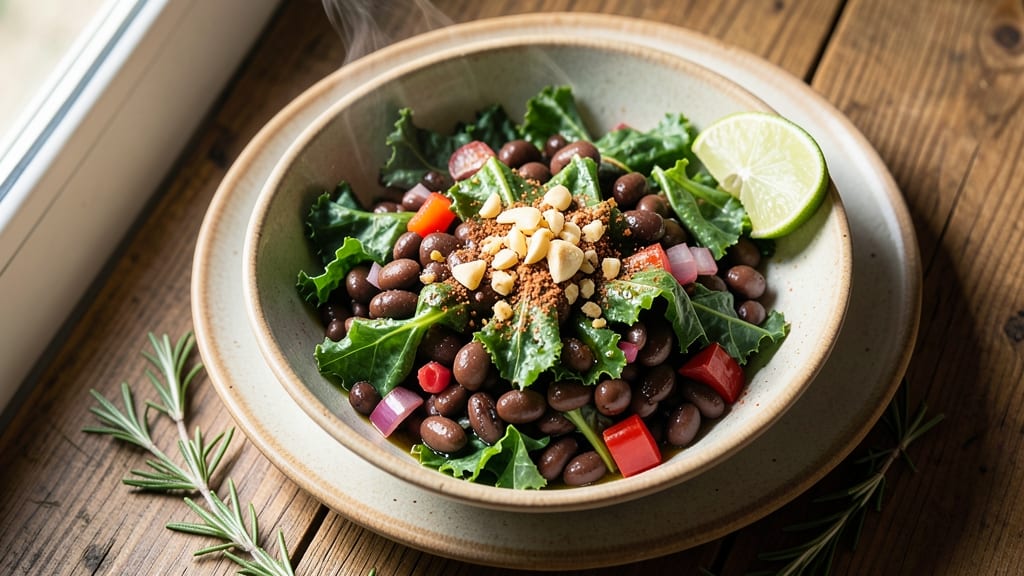
This black bean and kale recipe transforms humble ingredients into a protein-packed stir-fry that's hearty enough to stand alone or pair perfectly with grains.
The secret lies in balancing earthy kale with smoky black beans, all bound together by a garlicky, umami-rich sauce that delivers restaurant-quality flavor in under 30 minutes.
I developed this dish during a particularly busy week when I needed something nutritious, satisfying, and ready in one pan—no fuss, no compromise on taste.
The magic happens through proper technique: first searing the beans until slightly crispy, then wilted kale that maintains its vibrant green color and satisfying crunch. A touch of cumin and smoked paprika adds depth without overpowering, while a splash of lime brightens the dish at the very end.
What you'll end up with is a flavorful, texturally balanced meal that's packed with plant-based protein and fiber, yet still feels indulgent.
This stir-fry delivers bold flavors with every bite—smoky from the beans, peppery from the kale, and bright from the garlic-lime finish. The dish holds together beautifully when plated, making it ideal for meal prep or serving as a complete dinner alongside crusty bread or over quinoa.
The recipe scales effortlessly, so you can easily double it for leftovers or a crowd.
What makes this recipe truly special is its versatility—swap in roasted sweet potatoes for extra heartiness, or add avocado for creamy richness. The base technique works equally well with other greens like spinach or Swiss chard.
Here's everything you need to create this foolproof, nutrient-dense meal that satisfies both body and soul.
Ingredients for black bean kale
Protein-packed, nutrient-dense ingredients that transform into a vibrant, restaurant-worthy stir-fry.
| Ingredient | Amount | Notes |
|---|---|---|
| Black Beans 🫘 | 1 ½ cups | Canned, drained and rinsed |
| Fresh Kale 🥬 | 6 oz | Stemmed, chopped into ribbons |
| Garlic Cloves 🧄 | 4 cloves | Minced, freshly for best flavor |
| Lime Juice 🍋 | 2 tbsp | Freshly squeezed, seeds removed |
| Extra-Virgin Olive Oil 🫒 | 2 tbsp | High quality, fruity |
| Smoked Paprika 🌶️ | 1 tsp | For smoky depth |
| Ground Cumin 🌿 | ½ tsp | Toasted for warmth |
| Salt 🧂 | ½ tsp | Diamond Crystal preferred |
| Black Pepper 🌶️ | ¼ tsp | Freshly ground |
| Red Bell Pepper 🌶️ | ½ cup | Diced, any color |
| Red Onion 🧅 | ½ cup | Finely diced |
| Vegetable Broth 💧 | ½ cup | Low-sodium preferred |
| Maple Syrup 🍁 | 1 tsp | For subtle sweetness |
| Avocado Oil 🫒 | 1 tbsp | For high-heat searing |
The black beans are the foundation—opt for organic canned beans from Trader Joe's or Whole Foods for superior texture and flavor. Fresh kale is non-negotiable here; look for vibrant green leaves with crisp stems at your local farmers market or grocery store's produce section. The garlic should be plump, firm cloves with no sprouting—Costco often sells large bulks at a great price. For the lime, use Mexican limes if available, as they're juicier and more flavorful than Persian varieties. Smoked paprika and cumin are best sourced from spice merchants like Penzeys or Burlap & Barrel for maximum depth of flavor.
No smoked paprika? Substitute with chipotle powder at half the amount for a similar smoky profile. Running low on kale? Swiss chard or spinach work beautifully—just reduce cooking time slightly. The vegetable broth can be swapped for water plus 1 tsp bouillon powder if needed. For extra richness, add 1 tbsp nutritional yeast to mimic umami depth. The maple syrup is optional but enhances the natural sweetness of the beans; agave nectar works equally well. If you prefer less heat, reduce the black pepper to 1/4 tsp or omit entirely.
Store any leftovers in an airtight container in the refrigerator for up to 4 days. The dish reheats beautifully—simply warm in a skillet with a splash of water or broth to maintain moisture. For meal prep, portion into glass containers to preserve freshness. Kale tends to soften quickly when reheated, so it's best enjoyed fresh or within 2 days. Freezing isn't recommended due to texture changes in the greens, but the base components (beans, peppers, onions) can be prepped ahead and stored separately for 3 months before combining.
Why You'll Love This Recipe
- Pantry-to-Plate Speed: I swear by this one—no fancy prep, just toss the kale stems in first (they’ll soften perfectly), then dump the drained beans and garlic right on top. The lime and olive oil do the rest while I’m chopping avocados for topping. Twenty minutes max, and zero stress.
- Umami-Packed Punch: That first bite? The beans’ earthy richness meets the garlic’s sharp bite, then the lime cuts through like a bright summer day. Honestly, the kale almost feels like an afterthought—until you realize it’s secretly the secret to that textural magic: tender but still with a satisfying chew.
- Lunchbox Hero: Between us, this is my go-to for packed lunches—holds up for days without getting soggy. I’ll double the batch on Sundays, portion it into jars, and add a sprinkle of chili flakes on top. My kids groan at first (they’re picky), but they’re the ones asking for seconds by Wednesday.
- Budget Meal, Big Payoff: Black beans and kale? Two of the most affordable powerhouses out there. A single can of beans and a bunch of kale stretch to feed four, and the olive oil and lime keep it from tasting like a sad, watery side dish. I’ll be real: it’s my “I forgot to grocery shop” emergency meal—and it never lets me down.
Step-by-step instructions for black bean and kale protein-packed stir-fry
This method delivers a perfectly balanced stir-fry with vibrant flavors and optimal texture every time.
Prepare the Base Ingredients
In a large mixing bowl, combine the 1.5 cups drained and rinsed black beans, 0.5 cup finely diced red onion, and 0.5 cup diced red bell pepper. Add the 1 tsp smoked paprika, 0.5 tsp toasted ground cumin, 0.5 tsp salt, and 0.25 tsp freshly ground black pepper. Toss everything together until the beans and vegetables are evenly coated with the spices. This ensures every bite gets that smoky, warm depth we're after.
Set aside the 6 oz chopped kale ribbons in a separate bowl. You'll add these later to preserve their crisp texture—they should stay vibrant, not wilted, after cooking. The reason for this separation is that kale cooks faster than other vegetables and beans, so we handle it delicately to maintain that satisfying crunch.
Build the Garlicky Flavor Foundation
Heat the 1 tbsp avocado oil in a large skillet over medium-high heat until shimmering. Add the 4 cloves minced garlic and sauté for 30-45 seconds until fragrant but not browned. This quick cook time prevents the garlic from burning, which would create bitter flavors instead of that sweet, mellow aroma we want.
Immediately add the 0.5 cup vegetable broth and 1 tsp maple syrup to the skillet. Stir and let it simmer for 2 minutes until slightly reduced. This creates a light, glossy base that will carry all the flavors together. The maple syrup here adds just a touch of sweetness to balance the smoky spices and earthy beans.
Cook the Bean and Vegetable Mixture
Transfer the spiced bean and vegetable mixture from the bowl to the skillet. Stir everything together and cook over medium heat for 5-6 minutes, stirring occasionally. You'll notice the beans begin to develop a slight crust on their edges—that's your signal they're absorbing the flavors beautifully. If the mixture looks dry, add 1-2 tablespoons of water to maintain moisture.
During this time, the onions will soften slightly while the bell peppers maintain their structure. The key is to keep the heat at medium—too high will cause the beans to break apart, and too low will leave them underseasoned. You want them tender but still holding their shape, with the spices clinging to their surfaces.
Incorporate the Kale and Finish
Push the bean mixture to one side of the skillet, then add the 2 tbsp extra-virgin olive oil to the empty space. Heat for 30 seconds to warm the oil, then add the 6 oz chopped kale ribbons. Stir quickly for 1-2 minutes until the kale just begins to wilt but still maintains its bright green color and slight crispness. Kale cooks faster than you might expect, so watch it closely—overcooking turns it mushy.
Combine the kale with the bean mixture, then stir in the 2 tbsp freshly squeezed lime juice. Taste and adjust seasoning if needed, adding a pinch more salt or a squeeze of lime if desired. The lime juice brightens all the flavors, cutting through the richness of the beans and adding that essential freshness that makes this dish truly vibrant.
Serve Immediately for Best Texture
Remove the skillet from heat and let the stir-fry rest for 1-2 minutes. This brief resting period allows the flavors to meld together while keeping the kale at its ideal texture. Serve immediately while the kale still has that satisfying crunch and the beans are warm through.
This stir-fry makes 4 generous servings and pairs beautifully with quinoa, brown rice, or warm tortillas. The combination of smoky spices, sweet maple syrup, tangy lime, and earthy kale creates a complex flavor profile that's both satisfying and nutritious. The texture contrast between tender beans, crisp kale, and slightly caramelized onions makes every bite exciting.
Pro Tips For Making Black Bean Kale
- MASSAGE THE KALE: Tear it roughly, not chop—kale holds its texture better when you pull leaves away from the stem in large pieces. Over-chopping turns it into mush, and nobody wants sad, limp greens in their black bean bowl. (Yes, even if you're impatient like me.)
- SWEAT THE GARLIC LOW: Cook minced garlic in olive oil on medium-low heat until it’s golden, not browned. I learned this the hard way—burnt garlic tastes bitter and overpowers the dish. A gentle simmer for 3-4 minutes keeps it sweet and aromatic.
- DRAIN BEANS WELL: Rinse canned black beans and drain them thoroughly—even if they’re low-sodium. The extra liquid dilutes the flavors and makes the dish watery. Pat them dry with a towel if you’re really committed, but at least give them a good shake in the colander.
- ACID LAST: Add lime juice right at the end, just before serving. The acidity cuts through the richness of the olive oil and softens the beans slightly, but if you add it too early, the beans get mushy. (Your future self will thank you.)
Pro cooking tips for black bean kale
High-Heat Searing
Use avocado oil for its high smoke point (520°F) when searing the beans and vegetables. Heat your skillet over medium-high heat until it shimmers—this ensures the beans develop that perfect crispy edge while staying tender inside.
I swear by my All-Clad stainless steel skillet for even heat distribution, but any heavy-bottomed pan works. 🔥
Kale Timing Trick
Add kale only at the very end and cook it for just 1-2 minutes—any longer and it turns mushy. I like to push the bean mixture aside first, then add fresh oil and kale to the empty space.
This two-step method prevents the kale from steaming in its own moisture. For extra crunch, I sometimes toss the cooked kale with a pinch of flaky sea salt right before serving.
Flavor Layering
Build flavors in stages: first toast the spices with the beans, then develop the garlicky broth base, and finish with the bright lime. This progression ensures each component shines without competing.
I recommend toasting the cumin and smoked paprika in the dry skillet for 30 seconds before adding oil—this deepens their aroma exponentially. 🌶️
Texture Control
For optimal texture, maintain medium heat throughout cooking. High heat causes beans to break apart, while low heat leaves them undercooked. I use a meat thermometer to check the internal temperature of the beans—ideal is 185°F, where they're tender but still hold their shape.
The kale should have just a hint of wilt while retaining its vibrant green color.
Sauce Balance
The vegetable broth and maple syrup create a perfect sauce base, but don't over-reduce it. Simmer for exactly 2 minutes—any longer makes the sauce too thick. For extra richness, I sometimes add 1 tbsp tahini at the end, which adds a nutty depth that complements the smoky beans beautifully.
Resting Period
Let the stir-fry rest for 1-2 minutes off the heat before serving. This crucial step allows the juices to redistribute, ensuring every bite is flavorful. I also recommend serving immediately while the kale is still crisp—it's the one component that loses texture quickly when reheated.
The beans and vegetables will stay warm for 10-15 minutes if needed. ✨
Nutrition facts
Frequently asked questions
Can I use frozen kale instead of fresh?
Fresh kale gives the best texture, but frozen works in a pinch! Thaw and drain the kale completely, then squeeze out excess moisture with a towel before adding it to the pan. Cook for 1-2 minutes longer than fresh since frozen kale tends to be icier. The flavor will be slightly less vibrant, but the dish will still be delicious.
How do I make this meal more filling?
Add ½ cup cooked quinoa or brown rice per serving to bulk it up with fiber and protein. For extra heartiness, stir in ½ cup diced roasted sweet potatoes during Step 3. If you want more protein, top with ¼ cup crumbled avocado or toasted pumpkin seeds before serving.
Why did my kale turn mushy?
Overcooking is the most common cause—kale only needs 1-2 minutes in the pan. Always add it last and stir quickly. Another culprit is too much moisture: squeeze the kale dry before cooking and avoid adding extra liquid. For extra crunch, add kale just before serving instead of cooking it.
Can I make this ahead of time?
Yes, but handle the kale separately. Cook the bean mixture completely, then store it in the fridge for up to 3 days. When ready to serve, reheat the beans with a splash of water, then add fresh kale to wilt for 1-2 minutes. The kale loses texture when reheated, so always cook it fresh at the end.
What are good toppings or garnishes?
Fresh lime wedges and cilantro add brightness, while crumbled feta or cotija cheese gives a salty contrast. For crunch, try toasted pepitas or crushed tortilla chips. A drizzle of avocado oil or tahini-lemon sauce elevates the dish beautifully.