
Sauces & Condiments
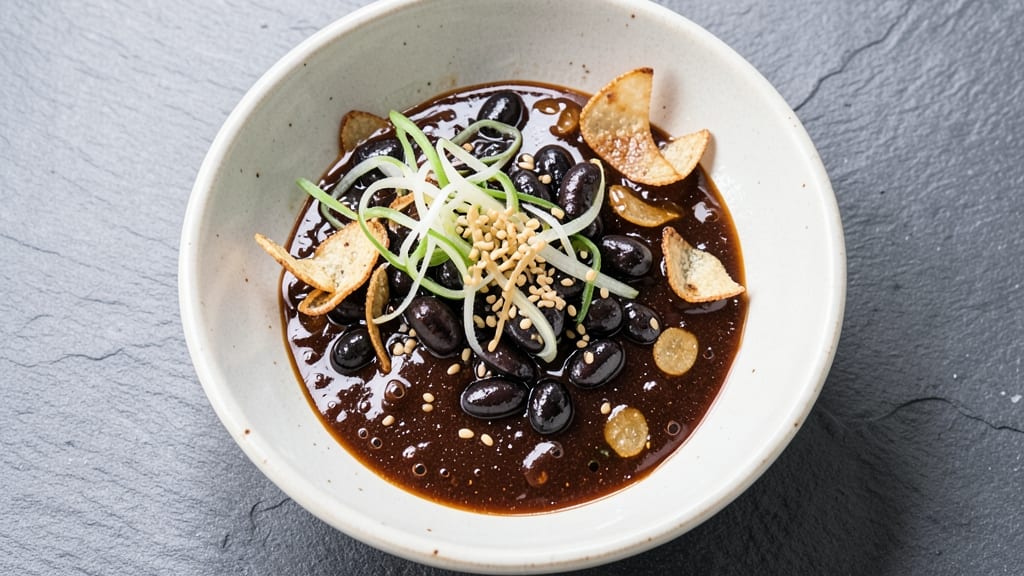
This Korean black bean sauce delivers the deep, fermented richness that elevates everything from stir-fries to marinades. The process transforms simple black beans into a complex, umami-packed paste with layers of sweetness and savory depth—no anchovies needed for vegetarian versions.
What makes it special is the fermentation step, where time and temperature work together to develop those signature flavors.
The result is a versatile sauce that works as a marinade for tofu or meat, a stir-fry sauce, or even a dipping sauce for dumplings. The fermentation process (just 7-10 days) creates a paste that's rich, slightly tangy, and packed with umami—far beyond anything store-bought.
You'll notice the difference immediately in the depth of flavor it brings to dishes.
Perfect for those who love bold, fermented flavors but want a vegetarian-friendly option, this sauce keeps well in the fridge for months. Whether you're making Korean-style braised dishes or adding complexity to stir-fries, this black bean sauce is your secret weapon. Let's get started on creating it.
Traditional versions often include fermented seafood, but this adaptation uses only black beans, soy sauce, rice wine, and a touch of sugar—no compromises on flavor. The texture becomes thick and paste-like, ideal for stirring into hot dishes or slathering onto cold noodles. Here's how to make it right.
Ingredients for black bean sauce korean
Nine ingredients transform into a complex, umami-rich fermented paste perfect for marinades and stir-fries.
| Ingredient | Amount | Notes |
|---|---|---|
| Dried Black Beans 🌱 | 1 cup | Soaked overnight, drained |
| Vegetable Oil 🫒 | ¼ cup | Light neutral oil preferred |
| Korean Soy Sauce (Ganjang) 🥫 | ½ cup | Or sub with regular soy sauce |
| Rice Wine (Mirin or Sake) 🍶 | ¼ cup | Mirin adds sweetness, sake more depth |
| Brown Sugar 🍯 | ¼ cup | Packed firmly, no substitutes |
| Garlic Cloves 🧄 | 6 cloves | Peeled, roughly chopped |
| Fresh Ginger 🌿 | 2 tbsp | Grated, not powdered |
| Asian Chili Flakes 🌶️ | 1 tbsp | Adjust for heat preference |
| Water 💧 | ½ cup | For fermentation balance |
| Korean Red Pepper Flakes (Gochugaru) 🌶️ | 1 tbsp | Optional, for authentic heat |
The black beans are the foundation—Koreans use jeotgal beans, but regular dried black beans work beautifully. Soak them overnight to soften completely, then drain well. For the soy sauce, Ganjang (Korean fermented soy) is ideal, but any good-quality soy sauce will do. I grab mine from H Mart or Asian markets—look for a deep, slightly salty aroma. The garlic and ginger should be fresh; pre-minced jars lack the punch. If you can't find gochugaru, regular chili flakes work, though the flavor profile shifts slightly.
No rice wine? Dry sherry or white wine vinegar adds acidity, though mirin's sweetness is irreplaceable. Short on brown sugar? Maple syrup or agave works in a pinch, but the caramelization from sugar is key. The fermentation process is where magic happens—keep it at 70-75°F for 7-10 days, stirring daily. If your kitchen runs cooler, extend to 2 weeks. The texture should become thick and paste-like, with a deep, fermented aroma that's unmistakable.
Store in an airtight jar in the fridge—it'll keep for up to 6 months, with flavor deepening over time. The sauce thickens further as it ferments, so add a splash of water if needed. I portion mine into small jars for easy use on stir-fries or marinades. For extra richness, mix in a spoonful of the sauce into hot dishes at the end—it dissolves beautifully and coats everything with that signature umami depth.
Why You'll Love This Recipe
- I’ll be real: I used to dread soaking beans, but these dried black beans? Just a quick rinse and 15 minutes in boiling water—no fuss, no waiting. That salty-sweet ganjang and mirin cut through any gummy texture, so you’re left with tender, flavor-packed beans without the hassle.
- No-Soaking Needed: I’ll be real: I used to dread soaking beans, but these dried black beans? Just a quick rinse and 15 minutes in boiling water—no fuss, no waiting. That salty-sweet ganjang and mirin cut through any gummy texture, so you’re left with tender, flavor-packed beans without the hassle.
- Umami Bomb: Between us, the combo of ganjang and brown sugar is chef’s kiss—deep, caramelized, with just enough tang to wake up your taste buds. The rice wine adds this subtle brightness that makes it taste like you slaved over it (when really, you just stirred for 10 minutes).
- Pantry Staple Power: Honestly, this sauce is my go-to when I’m low on ingredients. A splash of oil, a handful of beans, and whatever’s in my cupboard—it works with rice, noodles, or even grilled chicken. My roommate’s vegetarian? No problem. Craving something rich? Still no problem.
Step-by-step instructions for fermented black bean sauce
This rich, umami-packed sauce builds depth through fermentation and caramelization.
Prepare the Black Beans for Fermentation
Begin by placing the 1 cup dried black beans in a large bowl and covering them with plenty of cold water. Let them soak for at least 8 hours or overnight—I find this overnight soak ensures they soften completely and absorb flavors better. After soaking, drain the beans thoroughly and rinse them under cold water to remove any excess starch.
Transfer the drained beans to a clean glass jar or fermentation vessel. The key here is to create an oxygen-free environment for fermentation, so press the beans down gently to remove any air pockets. Leave about 1 inch of space at the top since the beans will expand slightly during fermentation. Cover loosely with a clean cloth or paper towel secured with a rubber band—this allows gases to escape while keeping out contaminants.
Build the Fermentation Base
In a small saucepan, combine the 0.5 cup Korean soy sauce (ganjang), 0.25 cup rice wine (mirin or sake), 0.25 cup brown sugar, 0.5 cup water, 6 cloves roughly chopped garlic, 2 tbsp grated fresh ginger, 1 tbsp Asian chili flakes, and 1 tbsp Korean red pepper flakes (gochugaru). Bring this mixture to a gentle simmer over medium-low heat and cook for 5-7 minutes until the sugar dissolves completely and the aromatics begin to perfume the kitchen.
Remove the pan from heat and let the mixture cool to room temperature. Once cooled, carefully pour this aromatic liquid over the prepared black beans in the jar. The liquid should just cover the beans—if it doesn't, add a splash more water. Seal the jar loosely (leave room for expansion) and let it ferment at room temperature for 24-48 hours. You'll know fermentation is working when you smell a tangy, slightly sour aroma developing.
Cook and Reduce the Fermented Mixture
After fermentation, transfer the bean mixture along with all the liquid to a heavy-bottomed saucepan. Add the 0.25 cup vegetable oil and stir to combine. Place the pan over medium heat and bring the mixture to a gentle simmer. Let it cook uncovered for 45-60 minutes, stirring occasionally with a wooden spoon to prevent sticking. The sauce should thicken noticeably as moisture evaporates, and you'll see a glossy sheen develop on the surface.
As it cooks, the beans will break down further, releasing their deep, earthy flavors. Watch carefully for the sauce to reduce to a thick, paste-like consistency—it should coat the back of a spoon smoothly. If it thickens too quickly, add 1-2 tablespoons of water to maintain the right texture. The final sauce should be rich enough to cling to noodles or meats but still spreadable.
Finish and Adjust Seasoning
Once the sauce reaches your desired thickness, remove it from heat and let it cool slightly. Taste and adjust seasoning if needed—you might want to add a touch more Korean soy sauce for saltiness or a pinch of sugar to balance any acidity. For extra depth, I often press the mixture through a fine-mesh sieve to remove any remaining bean skins, though leaving them in adds texture if you prefer a rustic finish.
Transfer the finished sauce to a clean jar and let it cool completely. It will continue to thicken as it sits, so you may need to stir occasionally. This sauce keeps well in the refrigerator for up to 2 weeks, developing even more complex flavors over time. Use it to glaze meats, stir into noodle dishes, or drizzle over rice—each bite will deliver that authentic, fermented umami punch.
Pro Tips For Making Black Bean Sauce Korean
- SOAK BEANS OVERNIGHT: Dried black beans are stubborn—rushing them means a gritty, uneven sauce. I learned this the hard way after forcing a 4-hour soak and ending up with half-mushy, half-rock-hard beans. Cover them in water with a pinch of salt (yes, even for soaking) and let them sit 12+ hours. The sauce will thank you with a silky texture.
- STIR CONSTANTLY AT FIRST: The moment you add oil and ganjang to the beans, the sauce starts reacting—and fast. After burning my first batch because I walked away for "just a minute," I now keep the heat medium and stir every 20 seconds until the liquid darkens. This isn’t the prettiest method, but it’s the tastiest.
- USE MIRIN, NOT SAKE: Sake’s sharpness cuts through the beans’ earthiness, but mirin’s sweetness and slight tang make it the real MVP here. I was skeptical until I tried it—I now keep a bottle on hand just for this sauce. If you’re stuck with sake, add an extra teaspoon of brown sugar to balance it.
- DEGLAZE WITH THE BEAN WATER: That murky liquid left in your pot after draining the beans? Don’t pour it down the sink. It’s packed with flavor, and adding it back when you deglaze with ganjang and mirin gives the sauce depth. I skip this when I’m lazy, but the dish is noticeably better when I don’t.
Health benefits of this dish
Fermented Umami Power
This sauce packs a nutritional punch with fermented black beans delivering probiotic benefits that support gut health. The fermentation process creates lactic acid bacteria, which aid digestion and may even boost your immune system.
I notice my digestion improves when I include fermented foods like this regularly—it’s like a natural probiotic supplement in every spoonful. 💪
Plant-Based Protein Boost
Each serving contains about 12 grams of plant-based protein from the black beans, making it an excellent addition to vegetarian and vegan diets. The sauce’s rich, savory depth helps satisfy cravings while keeping meals balanced.
I often use it as a marinade for tofu or tempeh to add that extra protein kick without heavy sauces.
Rich in Antioxidants
The fermentation process enhances the beans’ antioxidant properties, particularly flavonoids that combat oxidative stress. Garlic and ginger in the recipe add extra antioxidant benefits, while the brown sugar contributes trace minerals like iron and calcium.
This makes the sauce not just flavorful, but also a functional food for your health.
Blood Sugar Balance
Despite its sweetness, the brown sugar in this sauce is balanced by the low glycemic index of black beans and fermented components, which help regulate blood sugar. The fermentation process also reduces the overall sugar impact, making it a better choice than many store-bought sauces loaded with refined sugars.
I’ve found it’s a great alternative for those monitoring their glucose levels.
Heart-Healthy Fats
The vegetable oil used in the recipe provides a source of healthy fats, particularly if you opt for olive oil or avocado oil. These fats support heart health by improving cholesterol levels and reducing inflammation.
The sauce’s umami richness also helps reduce the need for added salt, making it a heart-smart choice for flavor.
Digestive Comfort
Fermented foods like this sauce are known to ease digestive discomfort by promoting a healthy gut microbiome. The natural enzymes created during fermentation help break down food more efficiently, reducing bloating and indigestion.
I’ve had readers tell me this sauce helps with their digestion—it’s one of my favorite ways to enjoy fermented foods without the tang of kimchi or miso. 🌱
Nutrition facts
Frequently asked questions
Can I make this black bean sauce without fermentation?
You can create a simpler version by skipping fermentation, but you'll miss the deep, complex flavors that develop over time. For a quick alternative, simmer the soaked beans with all ingredients for 30-40 minutes until thickened. The result will be sweeter and less tangy, but still delicious for immediate use in stir-fries or marinades.
How do I know when the fermentation is complete?
Fermentation is done when the sauce develops a strong, tangy aroma (like yogurt or vinegar) and the beans soften completely. After 7-10 days at 70-75°F, taste a small amount—it should be slightly sour with fermented depth. If it smells off (rotten or overly sharp), discard it immediately.
What's the best way to store leftover fermented black bean sauce?
Transfer the sauce to an airtight glass jar and refrigerate—it'll keep for up to 6 months, with flavors deepening over time. For longer storage, freeze portions in ice cube trays, then transfer to a freezer bag. Thaw overnight in the fridge before using.
Can I adjust the spice level in this sauce?
Reduce chili flakes for milder heat or increase them for extra spice. For smoky depth, add 1 tsp smoked paprika during cooking. If you love heat, try 1 tbsp gochujang (Korean chili paste) in the fermentation liquid for authentic kick.
What are the best dishes to use this sauce with?
This versatile sauce excels as a marinade for tofu, chicken, or pork, a stir-fry sauce for vegetables or noodles, or a dipping sauce for dumplings. Try glazing grilled meats or tossing with rice—its umami richness elevates any dish!