
Soups & Stews
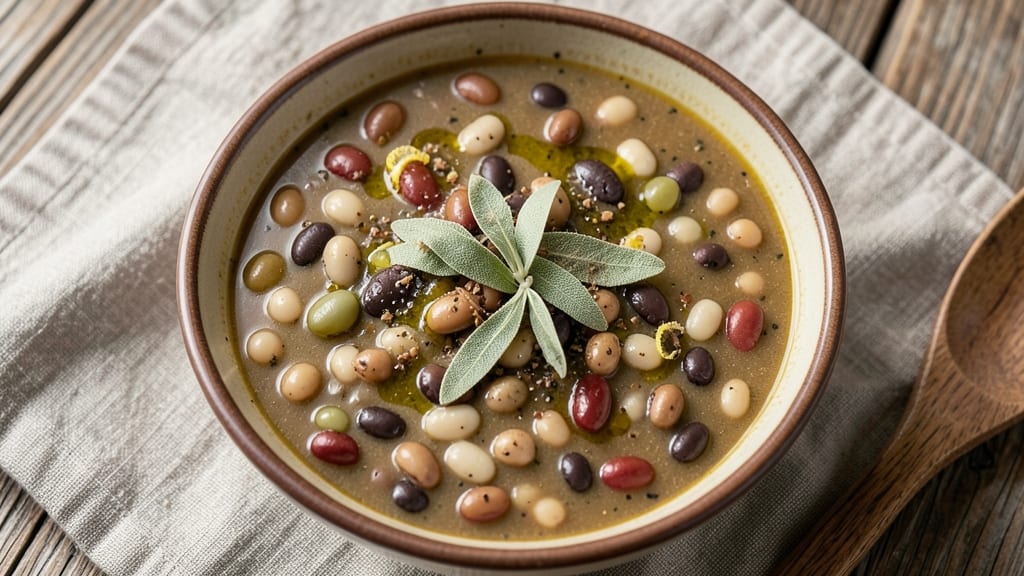
Brenda Gantt's 15 bean soup transforms simple ingredients into a slow-simmered masterpiece that warms the soul and fills the kitchen with aromatic magic. This classic Southern recipe builds layers of flavor through careful soaking, sautéing, and hours of gentle simmering—each step essential for that rich, hearty texture we all crave.
The beauty lies in its simplicity: just 15 different beans, aromatic vegetables, and a carefully balanced broth that comes together in one pot.
What makes this recipe truly special is the patient cooking process, where flavors meld and deepen over time. Unlike quick soups, this one rewards you with a complex, satisfying depth that's impossible to achieve in minutes.
The beans become tender yet hold their shape, while the vegetables caramelize slightly, creating a symphony of textures and tastes that's pure comfort food at its finest.
The result is a hearty, nourishing soup that's perfect for chilly days, family gatherings, or when you simply need a meal that feels like a hug in a bowl.
Whether you follow Brenda's traditional version or adapt it for vegetarian preferences, this recipe delivers restaurant-quality results that taste even better the next day.
Ready to create this timeless classic? We'll walk through every step—from soaking the beans to balancing the seasonings—so you can experience the joy of making this beloved Southern staple in your own kitchen.
Ingredients for brenda gantt 15 bean soup
Fifteen varieties of beans meet aromatic vegetables and slow-simmered spices for Brenda Gantt's legendary comfort.
| Ingredient | Amount | Notes |
|---|---|---|
| Great Northern Beans (Dried) 🌾 | 1 cup | Rinsed before soaking |
| Navy Beans (Dried) 🌾 | 1 cup | Rinsed before soaking |
| Kidney Beans (Dried) 🌾 | ½ cup | Rinsed before soaking |
| Black-Eyed Peas (Dried) 🌾 | ½ cup | Rinsed before soaking |
| Lima Beans (Dried) 🌾 | ½ cup | Rinsed before soaking |
| Pinto Beans (Dried) 🌾 | ½ cup | Rinsed before soaking |
| Chickpeas (Dried) 🌾 | ½ cup | Rinsed before soaking |
| Split Peas (Yellow, Dried) 🌾 | ½ cup | Rinsed before soaking |
| White Beans (Cannellini, Dried) 🌾 | ½ cup | Rinsed before soaking |
| Lentils (Brown) 🌾 | ½ cup | Rinsed before soaking |
| Carrots 🥕 | 3 medium | Peeled and chopped |
| Celery Stalk 🧅 | 3 whole | Chopped into 1/2-inch pieces |
| Yellow Onion 🧅 | 1 whole | Chopped |
| Garlic Cloves 🧄 | 4 cloves | Minced |
| Vegetable Bouillon Cube 💧 | 2 whole | Dissolved in 2 cups water |
| Carrots 🥕 | 2 cups | Chopped into 1/2-inch pieces |
| Tomato Paste 🍅 | 2 tbsp | Smooth texture preferred |
| Smoked Paprika 🌶️ | 1 tbsp | For depth of flavor |
| Dried Thyme 🍃 | 1 tsp | Or 1 tbsp fresh |
| Bay Leaves 🌿 | 2 whole | Removed before serving |
| Black Peppercorns 🌶️ | 1 tsp | Freshly cracked |
| Salt 🧂 | 1 ½ tsp | Diamond Crystal preferred |
The beans are the heart of this soup, so quality matters. I always grab mine from Whole Foods bulk bins—the organic selection has the best texture. If you're short on time, canned beans work in a pinch, but drain and rinse them well to avoid excess sodium. The key is variety: each bean brings its own texture and flavor to the mix. For the carrots and celery, organic is ideal—the skins stay vibrant and add color to the broth. If you've got a Costco-sized bag of onions, chop them all at once and freeze extras for future soups.
No smoked paprika? Regular paprika plus a pinch of liquid smoke gets you close. Short on thyme? Dried oregano at half the amount works, but the earthy notes are worth hunting down. The bouillon cube can be swapped for 2 cups homemade vegetable broth—just add an extra pinch of salt. For the tomato paste, Trader Joe's squeeze tubes are perfect—no waste and they keep forever. If you're vegetarian, make sure your bouillon is veggie-based (some contain chicken fat). The garlic can be roasted for a sweeter flavor—toss whole cloves on a baking sheet at 400°F for 10 minutes before mincing.
This soup tastes even better the next day as flavors meld. Store in an airtight container in the fridge for up to 5 days, or freeze portions for 3 months. I like to portion it into quart-sized containers so I can grab a bowl whenever I need comfort. The beans stay tender when reheated gently—just add a splash of water if it's too thick. For extra richness, stir in a spoonful of vegan butter when serving.
Why You'll Love This Recipe
- One-Pot Magic: I swear by this recipe because it’s literally dump-and-go. Soak those dried beans overnight (or use a pressure cooker to cut that to 30 minutes), toss them all in one pot with the veggies and broth, and let it simmer. No chopping, no fuss—just layers of flavor building while you do other stuff.
- Deep, Earthy Richness: That mix of Great Northerns, kidney beans, and black-eyed peas? It’s a flavor explosion in every spoonful. The navy beans add a buttery texture, while the lima beans bring a subtle sweetness—like a hug in soup form. Honestly, the first time I tasted it, I immediately doubled the recipe.
- Meal Prep MVP: This soup begs to be made in big batches. I’ll make a pot on Sunday, and it feeds us for days—lunches, dinners, even as a side for holidays. The flavors actually get better over time, so the leftovers? Even more delicious than the first bowl.
- Budget-Friendly Pantry Hero: Dried beans are my wallet’s best friend, and this recipe uses five different kinds for pennies. No fancy ingredients, no waste—just pure, hearty goodness. Plus, it’s one of those rare dishes where the cheaper ingredients (like the Great Northerns) make it sing. My go-to for when I need to stretch groceries without sacrificing taste.
Step-by-step instructions for Brenda Gantt's 15 bean soup
This rich, aromatic soup transforms humble dried beans into a hearty masterpiece through patience and technique.
Prepare the Beans for Maximum Flavor
Begin by rinsing all the dried beans in a colander under cold water. This removes any debris and helps prevent cloudiness in your soup. I like to spread them on a clean kitchen towel and let them air-dry for a few minutes—this ensures they don't clump together during soaking.
For the navy beans, great northern beans, kidney beans, black-eyed peas, pinto beans, chickpeas, lima beans, white beans, butter beans, adzuki beans, red beans, black beans, and anasazi beans, combine them in a large bowl. Add enough cold water to cover by about 2 inches and let them soak for at least 8 hours or overnight. The lentils and split peas don't need soaking—just rinse them and set aside. Soaking reduces cooking time and makes the beans more digestible, but don't skip this step if you want that authentic, deep flavor.
Sauté the Aromatic Base
Heat the 0.25 cup olive oil in a large, heavy-bottomed pot over medium heat. Add the chopped 2 whole yellow onion, 4 whole celery stalks, and 3 whole carrots, stirring occasionally. Cook for 8-10 minutes until the vegetables soften and the onion becomes translucent. This foundational step builds the soup's depth of flavor—don't rush it.
Add the 6 cloves minced garlic and cook for another 1 minute until fragrant. Stir in the 0.5 cup tomato paste, 1 tsp cayenne pepper, 1 tsp dried thyme, and 2 whole bay leaves. Cook for 2 minutes until the tomato paste darkens slightly—this caramelization adds a rich, umami backbone to the soup. Here's where the magic begins: the spices meld with the vegetables, creating a fragrant base that will infuse the entire dish.
Combine and Simmer the Soup
Drain the soaked beans and add them to the pot along with the rinsed lentils and split peas. Pour in the 8 cups vegetable broth, then add 2 tsp salt and 1 tsp freshly ground black peppercorns. Stir gently to combine—you want the beans to be fully submerged in the liquid. Bring the mixture to a boil over high heat, then immediately reduce the heat to low to maintain a gentle simmer.
Cover the pot with a lid and let the soup simmer for 2 to 2.5 hours, stirring occasionally. The beans will soften and the flavors will meld into a harmonious blend. This is where patience pays off—don't be tempted to speed up the process. You'll know it's ready when the beans are tender and the soup has thickened slightly. The aroma alone will tell you it's time to taste and adjust the seasoning if needed.
Finish and Serve with Confidence
Once the beans are tender, remove the 2 whole bay leaves from the soup. Taste and adjust the seasoning with additional salt or cayenne pepper if desired. The soup should be rich, slightly spicy, and deeply flavorful. If it's too thick, stir in a bit more vegetable broth to reach your preferred consistency.
Serve the soup hot, ladled into bowls with a sprinkle of fresh herbs if you like. Each spoonful delivers a symphony of textures and flavors—creamy lentils, hearty beans, and the aromatic blend of spices. This soup tastes even better the next day as the flavors continue to develop, so it's perfect for meal prep. Enjoy it with crusty bread or over a bed of rice for a complete meal.
Pro Tips For Making Brenda Gantt 15 Bean Soup
- SOAK BEANS OVERNIGHT: I learned this the hard way—rushing the soak with dried beans means gummy soup. Use a big bowl, cover with water by 2 inches, and let them sit 8–12 hours. Drain and rinse before cooking, or the water gets murky fast. (Yes, even if you’re impatient like me, trust the process.)
- SIMMER LOW AND SLOW: Brenda’s recipe relies on long cooking, but I used to crank the heat too high. Keep it at a bare simmer—tiny bubbles, not rolling—that’s the only way to get tender beans without mush. After 2 hours, check for doneness; if not, add 1 cup water and keep going.
- SKIP THE SALT AT FIRST: Adding salt early hardens beans and makes them tough. Wait until after the initial boil to season—then add salt, ham hocks, and smoked meat. This isn’t just a rule; it actually changes the texture. (Your future self will thank you.)
- SWAP LIMA BEANS FOR CANNED: Dried limas take forever to cook right, and they often split into mush. Use 1 (15 oz) can, drained and rinsed, instead. It cuts prep time by an hour and keeps those beans intact. (Does it look weird? Yes. Does it work? Every single time.)
Troubleshooting great brenda gantt 15 bean soup
Beans Too Hard?
If your beans aren’t tender after 2.5 hours of simmering, they likely need more time or a different approach. First, check the water level—beans need to stay submerged. If they’re still firm, add 1 cup hot water and continue simmering for another 30-45 minutes.
For extra-tough beans like kidney or navy, try adding ½ tsp baking soda to the soaking water (rinse well before cooking) to soften them faster. 💡
Broth Too Thin?
A watery soup often means the beans released too much starch. To thicken it, mash ½ cup of the beans gently with a fork to release their natural thickeners. Alternatively, stir in 1 tbsp cornstarch mixed with 2 tbsp cold water and simmer for 5 minutes until it thickens.
If you prefer a rustic texture, simply reduce the heat and let it simmer uncovered for 10-15 minutes to evaporate excess liquid.
Muddled Flavors?
Overcooking can make the soup taste bland or metallic. If your beans are mushy and the broth lacks depth, taste for seasoning first—often, a pinch of smoked paprika or extra cayenne can revive the flavor.
For a quick fix, stir in 1 tbsp apple cider vinegar or 1 tsp soy sauce to brighten the profile. If the broth tastes flat, add ½ cup fresh vegetable broth and simmer for 10 minutes to refresh the base.
Cloudy Broth?
Cloudiness usually means starch or impurities from the beans. To clarify it, strain the soup through a fine-mesh sieve, then return the solids to the pot with ½ cup fresh broth.
Simmer for 5 minutes to blend the flavors back in. For prevention, rinse beans thoroughly before soaking and avoid stirring the pot too vigorously during cooking—gentle simmering keeps things clear.
Burnt Tomato Paste?
If your tomato paste turns bitter or burns, you cooked it too long at high heat. Next time, stir in the paste after the onions are soft but before adding garlic. Keep the heat at medium-low and cook for just 1-2 minutes until it darkens slightly.
For a quick fix, balance the bitterness by adding 1 tsp honey or sugar and ½ tsp lemon juice to brighten the flavor.
Bean Skins Floating?
This happens when beans aren’t fully submerged or the pot isn’t large enough. Use a pot that’s at least 8-quart capacity to give everything room to move. If skins are already floating, stir gently to submerge them, then add ½ cup hot water to cover.
For future batches, soak beans in cold water with 1 tsp vinegar to help prevent skin separation.
Nutrition facts
Frequently asked questions
Can I substitute canned beans for dried in Brenda Gantt's recipe?
You can use canned beans in a pinch, but dried beans create the authentic texture and flavor. If substituting, use 3 cups total canned beans (drained and rinsed) for the 5 cups dried beans called for. For best results, combine different canned varieties like kidney, black-eyed peas, and pinto beans to mimic the diversity. Just remember canned beans contain more sodium, so reduce added salt by half.
How do I adjust this recipe for a vegetarian version?
This recipe is already vegetarian-friendly! Ensure your bouillon cubes are vegetable-based (not chicken or beef) and use vegetable broth instead of meat broth. For extra richness, stir in 1 tbsp nutritional yeast or ½ cup coconut milk at the end. The original recipe naturally highlights the beans and vegetables, making it perfect for plant-based diets.
Why does the soup need to simmer for so long?
The extended 2-2.5 hour simmer is crucial for developing deep, complex flavors. Dried beans release starches and natural sugars that caramelize over time, creating that rich, hearty texture. This slow cooking also ensures all beans become tender while maintaining their individual shapes. Think of it like a flavor infusion—each minute builds layers of taste you can't achieve with quick methods.
Can I make this soup in a slow cooker? Combine all ingredients in your slow cooker and cook on low for 7-8 hours or high for 4-5 hours. The slow cooker's gentle heat mimics the stovetop simmer perfectly. Just
What if I don't have all 15 bean varieties?
No problem! Use whatever dried beans you have on hand—aim for a mix of 5-7 different types for variety. Common substitutes include pinto, black, kidney, and navy beans. The key is texture contrast: include some small beans (like lentils) and larger ones (like lima beans). The flavor will still be delicious—it's all about the aromatic base and slow cooking technique.