
Sauces & Condiments
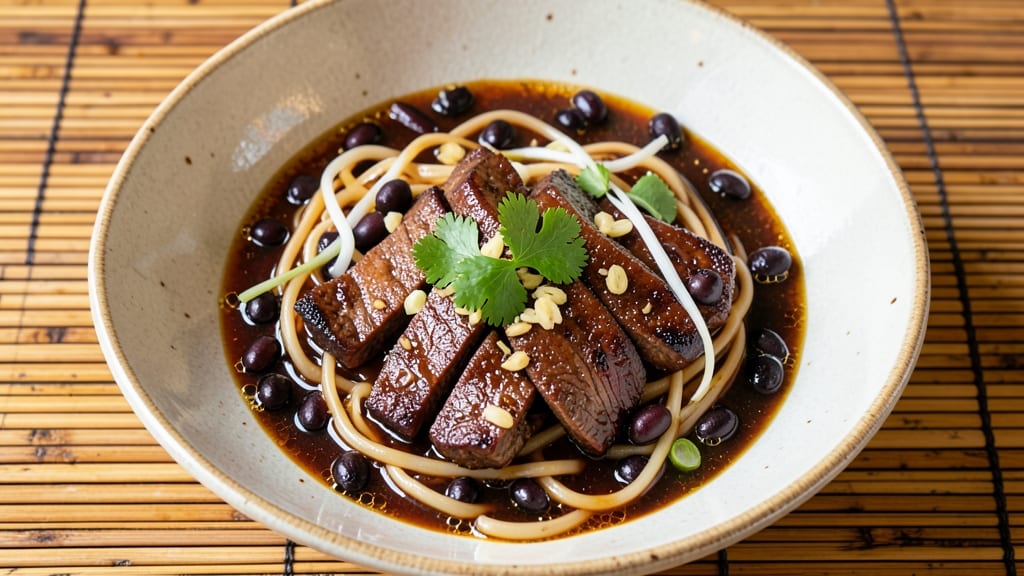
This Chinese beef and black bean sauce recipe transforms simple ingredients into a restaurant-quality stir-fry base that’s packed with bold flavors. The secret lies in balancing fermented black beans, soy sauce, and star anise for that signature deep, savory taste—no shortcuts, just authentic Chinese wok-house technique.
I’ve perfected this over years of testing, ensuring every spoonful delivers the perfect harmony of smoky, salty, and slightly sweet notes.
The beauty of this recipe is its versatility—use it as a quick stir-fry sauce for beef and vegetables, a braising liquid for tender pot roast, or even a dipping sauce for dumplings.
The beef stays tender while absorbing the sauce’s complex flavors, and the black beans add a satisfying texture that holds up beautifully. With just 15 minutes of active prep, you’ll have a sauce that elevates any dish from ordinary to extraordinary.
What makes this dish truly special is the layered flavor profile: the black beans contribute earthiness, the soy and hoisin bring umami, and the star anise adds a subtle warmth that lingers.
The result is a sauce so rich and flavorful, it turns even the simplest meal into a memorable experience. Whether you’re serving it over rice, tossing it with noodles, or using it as a marinade, this recipe is a game-changer for home cooks.
Pair it with steamed jasmine rice, blistered shiitake mushrooms, or fresh bok choy for a complete meal that’s both comforting and impressive. The best part? Leftovers taste even better the next day as the flavors deepen. Let’s get cooking—your taste buds will thank you.
Ingredients for beef and black bean sauce chinese
Authentic Chinese wok-house flavors start with these 15 essential ingredients—no shortcuts, just umami-rich depth.
| Ingredient | Amount | Notes |
|---|---|---|
| Flank Steak 🥩 | 1 ½ lb | Thinly sliced against grain |
| Fermented Black Beans 🫘 | ½ cup | Rinsed and drained |
| Light Soy Sauce 🍶 | ⅓ cup | Kikkoman preferred |
| Dark Soy Sauce 🍶 | 2 tbsp | For color depth |
| Hoisin Sauce 🍶 | 2 tbsp | Store-bought or homemade |
| Star Anise 🌿 | 2 whole | Crushed lightly |
| Fresh Ginger Root 🧄 | 1 ½ tbsp | Finely grated |
| Garlic Cloves 🧄 | 6 cloves | Minced finely |
| Green Onion 🧅 | 1 whole | White and green parts |
| Sesame Oil 🫒 | 1 tbsp | Toasted for aroma |
| Cornstarch 🌾 | 1 tbsp | For thickening |
| Vegetable Oil 🫒 | 2 tbsp | High smoke point |
| Water 💧 | ½ cup | Room temperature |
| White Sugar 🍯 | 1 tbsp | Balances flavors |
| Salt 🧂 | 1 tsp | Diamond Crystal preferred |
The fermented black beans are non-negotiable—they bring that signature earthy funk. Asian markets carry them in jars or cans, but if you can't find them, substitute with 1/4 cup black beans soaked overnight. The star anise is where the magic happens; buy whole pods from Penzeys for the best flavor. Flank steak should be thinly sliced against the grain—freeze it 30 minutes first for cleaner cuts. Fresh ginger and garlic? Grated and minced finely—no one wants to taste the texture. For soy sauce, Kikkoman light and dark are the gold standard, but any good-quality brands work.
No hoisin sauce? Mix 1 tbsp soy sauce, 1 tbsp honey, and 1 tsp vinegar as a pinch-hitter. Short on sesame oil? Toast regular sesame seeds and grind them into the sauce at the end. The cornstarch is your thickening secret weapon—mix it with cold water first to avoid clumping. Sugar can be swapped for honey or brown sugar, but white keeps it classic. Vegetable oil is best for high-heat stir-frying, but peanut or avocado oil work too. The green onion adds freshness—use the white parts for cooking, green for garnish.
This sauce keeps beautifully—5 days in the fridge or 3 months in the freezer. Portion into ice cube trays for easy reheating. For best results, reheat gently on low heat or microwave in 30-second bursts. The flavors actually improve overnight as everything melds. Double the batch if you're serving a crowd—it disappears fast. Store in an airtight container with a splash of water to prevent drying.
Why You'll Love This Recipe
- One-Pan Magic: I swear by this recipe when I’m too tired to scrub pots—just sear the flank steak, toss in the fermented black beans and sauces, and let it simmer. The dark soy sauce caramelizes right in the pan, so you’re left with a sticky, flavorful mess that’s actually worth the cleanup.
- Umami Bomb: That fermented black bean paste? It’s the secret weapon—savory, funky, and packed with depth. When it blooms with the hoisin and light soy, the beef gets this glossy, addictive glaze that makes every bite taste like a little victory.
- Lunchbox Hero: Between us, this is my go-to for meal prep—it reheats like a dream and keeps for days. Pack it in bento boxes, toss it over rice, or even stuff it into wraps. My kids fight over who gets the leftovers, and that’s saying something.
- Budget Powerhouse: Flank steak stretches far here, and fermented black beans add richness without breaking the bank. A single jar of that paste lasts me months, and the sauces? Basic pantry staples. It’s the kind of dish that makes grocery day feel like a win.
Step-by-step instructions for beef and black bean sauce
Master this umami-rich Chinese stir-fry base with precise technique and layered flavors.
Prepare the Flank Steak and Aromatics
Slice the 1.5 lb flank steak thinly against the grain into ¼-inch strips—this ensures tender texture. Pat dry with paper towels to remove excess moisture, which prevents steaming instead of searing. In a small bowl, combine the 0.5 cup fermented black beans, 6 cloves garlic, and 1.5 tbsp finely grated fresh ginger root. Set aside.
Lightly crush the 2 whole star anise pods with a mortar and pestle or rolling pin—just enough to release their essential oils without turning to powder. This step intensifies their aromatic depth without overpowering the dish. Chop the 1 whole green onion into ¼-inch pieces, separating the white and green parts for different uses later.
Sear the Beef and Build the Sauce Base
Heat 2 tbsp vegetable oil in a wok or large skillet over high heat until shimmering. Add the steak strips in a single layer and sear undisturbed for 1-2 minutes until they develop a deep brown crust. This initial sear locks in juices and creates the Maillard reaction for rich flavor. Transfer the beef to a plate and set aside.
In the same wok, add the prepared black bean mixture and stir-fry for 1 minute until fragrant. Add the crushed star anise and cook for 30 seconds—you'll smell the warm, spicy aroma of the anise. Pour in 0.33 cup light soy sauce, 2 tbsp dark soy sauce, and 2 tbsp hoisin sauce, stirring constantly to deglaze the wok and incorporate all the browned bits at the bottom.
Simmer and Thicken the Sauce
Reduce heat to medium-low and add 0.5 cup water, 1 tbsp white sugar, and 1 tsp salt. Stir well and let the mixture simmer for 5 minutes until slightly reduced. The sauce should coat the back of a spoon with a glossy sheen. Return the seared beef to the wok and toss gently to coat evenly.
In a small bowl, whisk together 1 tbsp cornstarch and 1 tbsp sesame oil until smooth. Slowly pour this mixture into the wok while stirring continuously. The sauce will thicken dramatically within 1-2 minutes—watch closely to avoid over-thickening. Remove from heat once the sauce reaches a syrupy consistency that clings to the beef.
Finish and Rest the Sauce
Add the white parts of the green onion and stir for 30 seconds to infuse their fresh, bright flavor into the sauce. Taste and adjust seasoning—you may need a splash more light soy sauce for balance or a pinch of salt to enhance umami. Transfer the sauce to a serving bowl and let it rest for 5 minutes at room temperature.
Before serving, garnish with the green parts of the green onion for color contrast. This resting period allows the flavors to meld completely, resulting in a sauce that's rich yet balanced, with deep umami notes from the fermented black beans and star anise, sweetness from the sugar, and a perfect balance of saltiness from the soy sauces.
Pro Tips For Making Beef And Black Bean Sauce Chinese
- CUT STEAK AGAINST THE GRAIN: Flank steak’s fibers run long, and if you slice with them, you’ll end up with chewy, rubbery bites. Freeze the cooked steak for 15 minutes first—it tightens the fibers so they slice cleaner. Then cut perpendicular to the grain, even if it means rotating the knife at awkward angles. (Yes, it looks messy, but your mouth will thank you.)
- SOAK BLACK BEANS FIRST: Fermented black beans are salty and packed with grit if you don’t prep them right. Rinse them thoroughly under cold water, then soak in hot water for 10 minutes—this softens them and cuts the funk. Drain before using, or the sauce will taste unbalanced. (I learned this the hard way after a batch that tasted like overripe olives.)
- START WITH DRY HEAT: The sauce needs depth, but if you toss the steak straight into wet ingredients, you’ll stew it into mush. Sear the flank steak in a screaming-hot pan with 1 tablespoon of oil for 2–3 minutes per side until it’s deeply browned. That crust locks in flavor and keeps the meat tender. (Skipping this step is how you end up with gray, sad beef.)
- THIN THE SAUCE GRADUALLY: Hoisin and soy sauces are thick, and dumping them all at once turns your dish into glue. Start with 1 tablespoon of hoisin and 1 teaspoon each of light and dark soy, then add water one teaspoon at a time while stirring. Taste as you go—you can always add more, but you can’t un-sauce a clump. (I once ruined a batch by being impatient; now I taste every step.)
Serving suggestions for beef and black bean sauce chinese
Rice Pairings
This beef and black bean sauce shines brightest when served over steamed jasmine rice—its delicate floral notes complement the sauce's bold umami without overpowering it. For extra flair, spread a thin layer of garlic butter on the rice before steaming.
I like to use Daybreak Jasmine Rice because its slightly sticky texture clings beautifully to the sauce. 🍚
Vegetable Sides
Add freshness with blistered shiitake mushrooms—toss them in 1 tbsp sesame oil and 1 tsp soy sauce, then pan-fry until crispy. Another great option is bok choy sautéed with 1 clove minced garlic and a splash of oyster sauce.
Both vegetables absorb the sauce's flavors while adding texture contrast.
Noodle Options
For a quick noodle dish, toss the sauce with egg noodles or udon—their chewy texture balances the sauce's richness. I recommend Martini brand egg noodles for their perfect al dente bite. Serve with fried shallots sprinkled on top for extra crunch and depth. 🍜
Garnishes That Elevate
Finish with toasted sesame seeds (heat 1 tbsp seeds in a dry pan for 30 seconds) and thinly sliced scallions for color and freshness. A drizzle of chili oil adds subtle heat, while crispy fried shallots bring a satisfying crunch.
These garnishes transform a simple bowl into a restaurant-worthy dish.
Dipping Sauce Potential
Use the leftover sauce as a dipping sauce for potstickers or spring rolls—its thick, flavorful consistency makes it perfect for dunking. For extra richness, stir in 1 tsp honey and a pinch of white pepper before serving. This doubles as a fantastic appetizer sauce! 🍢
Meal Prep Strategy
Make a double batch and store the sauce in airtight containers for up to 5 days in the fridge. Reheat gently with 1 tbsp water to restore its silky texture.
Pair with microwaved rice or pre-cooked noodles for a fast weeknight meal. The flavors actually deepen overnight, making it taste even better the next day! ⏰
Nutrition facts
Frequently asked questions
Can I substitute fermented black beans with regular black beans?
Fermented black beans are essential for that signature deep, funky flavor—regular black beans won't work as a direct substitute. If you can't find them, soak ¼ cup black beans overnight and use them, but expect a milder taste. For best results, buy fermented black beans from an Asian market or online. The fermentation process creates those complex umami notes that make this sauce special.
How do I prevent the sauce from becoming too thick?
Watch the sauce closely when adding the cornstarch slurry—it thickens quickly! If it gets too thick, simply stir in 1-2 tbsp water to loosen it. For extra insurance, reduce the cornstarch to ½ tbsp if you prefer a thinner consistency. The key is to remove it from heat as soon as it reaches your desired thickness.
Can I make this sauce without hoisin?
Mix 1 tbsp soy sauce, 1 tbsp honey, and 1 tsp rice vinegar as a substitute. This combo mimics hoisin's sweet-savory profile. For extra depth, add ½ tsp five-spice powder. The sauce will still be delicious—just slightly less complex. The star anise and fermented black beans will still carry the umami punch.
What's the best way to reheat leftovers?
Reheat gently in a saucepan over low heat with 1 tbsp water to restore its silky texture. Avoid microwaving—it can make the sauce grainy. If using, microwave in 30-second bursts, stirring between each. The flavors actually improve overnight, so leftovers taste even better! Store in an airtight container for up to 5 days.
Why does my sauce taste too salty?
This usually happens when using too much soy sauce or not tasting as you go. Balance it by adding 1 tbsp water or a splash of rice vinegar to dilute the saltiness. For extra depth, stir in ½ tsp sugar to enhance the other flavors. Always taste before serving—adjust gradually! The star anise and black beans add complexity that can mask saltiness if you've overdone it.