
Main Courses
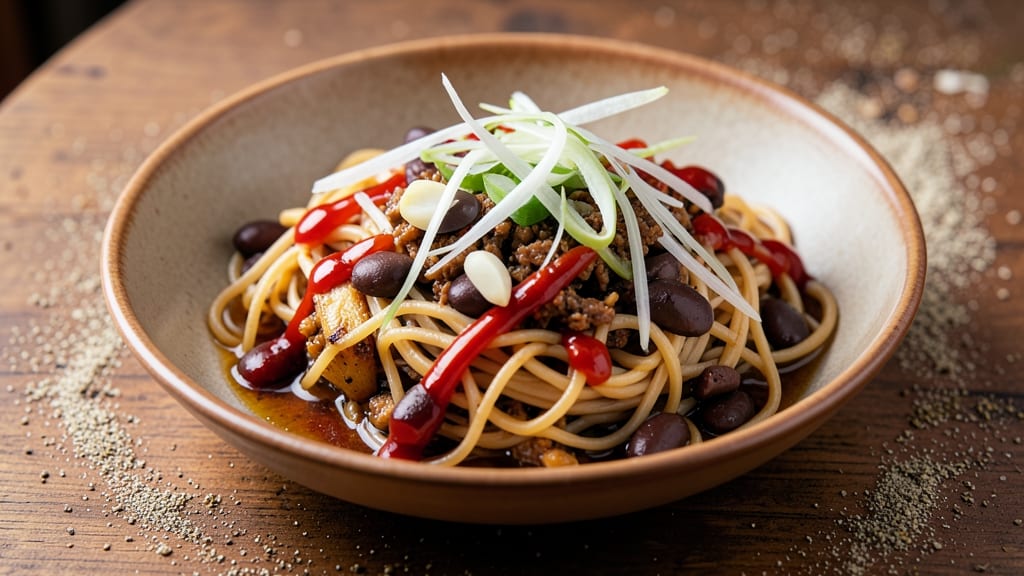
This one-pot black bean and rice noodle recipe delivers a protein-packed, vegan-friendly meal in just 25 minutes—no chopping, no fuss, just bold flavors. The secret lies in balancing tender rice noodles, hearty black beans, and a savory sauce that ties everything together without overpowering the natural ingredients.
I developed this recipe during a busy week when I needed a satisfying dinner that came together faster than takeout.
The magic happens in the wok or deep skillet, where you cook everything in one pot—rice noodles, black beans, and a quick sauce made with soy, ginger, and garlic.
The result is a dish that's rich in plant-based protein, packed with texture from the noodles and beans, and finished with fresh herbs and lime for brightness. It's the kind of meal that feels indulgent yet stays light, perfect for weeknights or meal prep.
Ingredients for black bean rice noodle
Quick, vegan-friendly ingredients that transform into a hearty, protein-rich meal in one pot.
| Ingredient | Amount | Notes |
|---|---|---|
| Rice Noodles 🍜 | 8 oz | Flat or round, uncooked |
| Black Beans 🫘 | 1 ½ cups | Cooked or canned, drained |
| Vegetable Broth 💧 | 1 ½ cups | Low-sodium preferred |
| Soy Sauce 🍶 | 2 tbsp | Tamari for gluten-free |
| Fresh Ginger 🌿 | 1 tbsp | Grated, fresh preferred |
| Garlic Cloves 🧄 | 3 cloves | Minced or finely chopped |
| Lime Juice 🍋 | 2 tbsp | Freshly squeezed |
| Sesame Oil 🫒 | 1 tbsp | Toasted, for aroma |
| Red Bell Pepper 🌶️ | 1 whole | Diced, any color |
| Cilantro 🌿 | ¼ cup | Fresh, chopped, optional |
| Chili Flakes 🔥 | ½ tsp | Adjust for heat |
| Salt 🧂 | ½ tsp | To taste, adjust after cooking |
| Olive Oil 🫒 | 1 tbsp | For cooking |
The rice noodles are the star here—look for flat or round varieties at Asian markets or the international aisle. Thai Kitchen or Lotus Foods brands are reliable, but any uncooked rice noodles work. The black beans should be firm, not mushy—drained canned beans are fine, but if using dried, soak them overnight. Fresh ginger and garlic make all the difference; skip the jarred minced garlic—it lacks the same depth. For the vegetable broth, low-sodium options like Pacific Foods keep the dish from getting too salty.
No soy sauce? Coconut aminos work in a pinch, though the flavor won't be identical. Swap the red bell pepper for green onions or snap peas if you're short on time. Fresh cilantro isn't essential—skip it if you're sensitive to its flavor—but it adds a bright finish. The sesame oil is non-negotiable for aroma, but if you're avoiding it, toasted peanut oil works too. For extra protein, toss in tofu or edamame with the noodles at the end. The lime juice should be freshly squeezed—bottled won't cut it.
This dish reheats beautifully—store leftovers in the fridge for up to 4 days or freeze for 3 months. The noodles soften when reheated, so add a splash of water or broth to revive them. For meal prep, portion into containers with a drizzle of sesame oil to keep them from sticking. Double the recipe and freeze half—it's perfect for lazy weeknights.
Why You'll Love This Recipe
- One-Pot Magic: I swear by this recipe—just toss everything into a single pan, and by the time the broth simmers, you’ve got a meal. No chopping mountains of veggies, no last-minute ingredient hunts. That fresh ginger? You can even use the pre-grated kind if you’re in a rush.
- Umami Bomb: The black beans and soy sauce team up to create this deep, savory punch that sticks with you. Honestly, the first time I made it, I kept going back for seconds just to taste that rich, slightly smoky flavor again.
- Lunchbox Hero: Between us, this is my go-to for packed lunches—it reheats like a dream and keeps its texture. (Yes, even on a Tuesday night.) Plus, it’s light enough for summer but hearty enough to satisfy when you’re dragging after work.
- Pantry Staple: I’ve made this with whatever I had—leftover veggies, a splash of vinegar, even a handful of frozen peas—and it’s always solid. Budget-friendly? Absolutely. The rice noodles are cheap, the beans last forever, and you’re not tied to a fancy ingredient list.
Step-by-step instructions for black bean and rice noodle one-pot meal
This protein-packed dish comes together in a single pot with minimal prep and maximum flavor.
Prepare the Aromatics and Pepper
In a medium pot, heat the 1 tablespoon olive oil over medium heat until shimmering. Add the 3 cloves garlic cloves and 1 tablespoon fresh ginger, mincing them directly into the oil as it warms. Cook for 1 minute until fragrant—you should smell the sharp, citrusy notes of ginger and the sweet warmth of garlic.
Add the 1 whole red bell pepper, diced into ¼-inch pieces. Stir occasionally for 3-4 minutes until the pepper softens and begins to release its juices. The vegetables should be tender but still retain a slight bite—this ensures they don't turn mushy during the final cooking. Keep the heat at medium to prevent burning.
Build the Flavor Base
Pour in the 1.5 cups vegetable broth and bring to a gentle boil. Once boiling, reduce heat to medium-low and stir in the 1.5 cups black beans and 2 tablespoons soy sauce. Let the mixture simmer uncovered for 5 minutes, allowing the flavors to meld and the beans to heat through. You'll notice the broth darken slightly and develop a deeper aroma from the soy sauce.
Add the 0.5 teaspoon chili flakes and 0.5 teaspoon salt, stirring to distribute evenly. Taste the mixture—this is your flavor checkpoint. Adjust the salt if needed (the beans may need more, while the broth might already be seasoned). The dish should have a balanced savory-spicy profile without being overwhelming.
Cook the Rice Noodles
Add the 8 oz rice noodles to the pot and stir gently to coat them in the seasoned liquid. The noodles will begin to soften almost immediately, but they need 5-7 minutes of simmering to reach the perfect al dente texture. Stir occasionally to prevent sticking—rice noodles cook faster than traditional wheat noodles, so stay attentive.
After 4 minutes, check for doneness by tasting a small piece of noodle. It should be tender but still hold a slight resistance when bitten. If they're not quite ready, continue cooking for another 1-2 minutes. Overcooking will turn them mushy, so aim for that perfect balance between soft and chewy.
Finish with Lime and Sesame Oil
Remove the pot from heat and stir in the 2 tablespoons lime juice and 1 tablespoon sesame oil. The lime brightens the dish with a tangy contrast to the earthy beans and savory broth, while the sesame oil adds a nutty aroma. Let the mixture sit for 2 minutes to allow the lime to infuse fully—this step is crucial for balancing the flavors.
Garnish with the 0.25 cup cilantro, chopped finely. The fresh herbs add a bright, herbal note that cuts through the richness of the beans and noodles. Taste again and adjust seasoning if needed—this final check ensures every bite is perfectly harmonized. Serve immediately while hot, as rice noodles continue to soften once removed from heat.
Pro Tips For Making Black Bean Rice Noodle
- SOAK NOODLES SEPARATELY: I learned this the hard way—dumping rice noodles straight into boiling broth makes them gummy. Instead, soak them in warm water for 5-7 minutes first, then drain and rinse. They’ll absorb flavor faster and stay firm, not mushy.
- CRUSH BEANS GENTLY: Skip the food processor—crushed black beans should be textured, not paste. Use a fork or potato masher to break them up just enough to release flavor. Too fine, and your dish turns into a thick, gloopy mess.
- SIMMER NOT BOIL: Vegetable broth loves to evaporate fast. Keep the heat low once everything’s combined—just enough to maintain a gentle bubble. High heat turns your noodles into a sad, overcooked pile.
- GINGER MATTERS: Fresh ginger is non-negotiable here. Grate it fine (about 1 teaspoon) and let it sit in the broth for at least 2 minutes before adding noodles. Raw, it’s sharp; cooked, it’s warm and aromatic. Skip it, and you’re missing half the soul of the dish.
Essential equipment for perfect results
Wok or Skillet
A 14-inch carbon steel wok or a heavy-bottomed skillet (like a Lodge 10.5-inch) is my go-to for this recipe. Woks distribute heat perfectly for stir-frying, preventing hot spots that can burn your noodles or garlic.
If you don’t own a wok, a nonstick skillet works too—just avoid high heat to prevent sticking. I’ve even made this in a large Dutch oven when woks weren’t available, though it takes slightly longer to cook evenly. 🔥
Tongs and Spatula
Invest in a long-handled pair of tongs (like OXO Good Grips) for tossing the noodles and beans without overcrowding the pot. A heat-resistant silicone spatula (such as Merax) is also essential for scraping up stuck bits and ensuring every bite gets coated in sauce.
These tools make the difference between a sticky mess and a perfectly balanced dish. I avoid metal spatulas—they can scratch nonstick surfaces or damage your wok’s seasoning over time.
Measuring Tools
Precision matters with rice noodles and sauces, so grab a small kitchen scale (like the OXO Good Grips) for accurate measurements of noodles and beans. A fine-mesh strainer (such as OXO’s) helps drain canned beans quickly, and a microplane (like Barcadi) is perfect for grating fresh ginger.
I skip pre-minced garlic—freshly minced garlic cloves make a world of difference in flavor. For lime juice, a handheld citrus reamer ensures you get every last drop without seeds. 💡
Optional Extras
For extra protein, keep extra-firm tofu or edamame on hand—both cook quickly and add texture. A small bowl for tossing sesame seeds or crushed peanuts (if you’re adding them) keeps garnishes organized. If you love garnishes, a pair of kitchen shears makes chopping fresh cilantro or green onions a breeze.
For reheating leftovers, a microwave-safe bowl with a splash of water works best to revive the noodles.
Nutrition facts
Frequently asked questions
Can I use dried black beans instead of canned?
Yes, but you'll need to cook them first. Soak 1 cup dried black beans overnight, then simmer in 3 cups water for 1.5-2 hours until tender. Drain and measure out 1.5 cups cooked beans for the recipe. Dried beans add more fiber and a richer texture, but they require more prep time.
How do I prevent the rice noodles from getting mushy?
Cook the noodles in the sauce over medium-low heat and stir frequently. Remove from heat as soon as they're tender (about 5-7 minutes)—they'll continue cooking slightly from residual heat. For extra firmness, add 1/4 cup cold water to the pot during the last minute of cooking. Stirring constantly prevents sticking and maintains texture.
Can I make this recipe gluten-free?
Use tamari or coconut aminos instead of soy sauce, and ensure your rice noodles are certified gluten-free. Check labels for hidden gluten in vegetable broth (some contain wheat). The rest of the ingredients are naturally gluten-free, so this version remains just as flavorful.
What's the best way to store leftovers?
Transfer to an airtight container and refrigerate for up to 4 days. For reheating, add 1-2 tablespoons water or broth and microwave for 1-2 minutes to revive the noodles. Freeze for 3 months by portioning into individual containers with a drizzle of sesame oil to prevent sticking.
How can I make this spicier?
Double the chili flakes to 1 teaspoon and add 1/2 teaspoon cayenne pepper when building the flavor base. For extra heat, stir in 1-2 slices of fresh jalapeño with the lime juice at the end. Remove seeds for milder heat. Always taste before serving!